
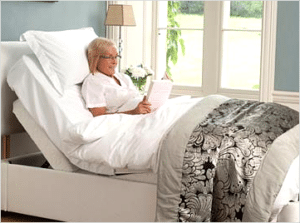
As more older adults choose to age in place, the importance of a safe, comfortable, and supportive home environment has never been greater. Among the most impactful upgrades for senior living is the adoption of hi-low adjustable beds—a solution that blends medical-grade functionality with the comfort of a traditional bedroom setting.
Once limited to hospitals and care facilities, these advanced beds are now becoming increasingly popular in private homes. They offer a powerful combination of safety, independence, and improved sleep quality, making them one of the most valuable investments for seniors and caregivers alike.
What Is a Hi-Low Bed?
A hi-low bed is a specialized adjustable bed that allows users to raise or lower the entire bed vertically, in addition to adjusting the head and foot positions.
This dual adjustability sets hi-low beds apart from standard adjustable beds. While traditional models focus on comfort positioning, hi-low beds add an essential layer of accessibility and safety.
For example, the bed can be lowered close to the ground to reduce fall risk or raised to a comfortable height for getting in and out of bed—or for caregiver assistance.
This versatility makes hi-low beds especially beneficial for seniors dealing with mobility challenges, chronic conditions, or post-surgery recovery.
Enhancing Safety and Reducing Fall Risk
Falls are one of the most serious risks facing older adults, particularly during transitions in and out
of bed. Hi-low beds directly address this concern.
By lowering the bed to a minimal height, these beds significantly reduce the risk of injury from nighttime falls. At the same time, raising the bed makes it easier and safer to stand up, reducing strain on joints and muscles.
Adjustable positioning also allows seniors to sit upright before standing, improving balance and stability—two critical factors in fall prevention.
For families and caregivers, this added layer of protection offers peace of mind, especially for individuals with conditions such as arthritis, Parkinson’s disease, or cognitive impairments.
Supporting Independence at Home
One of the greatest challenges of aging is maintaining independence. Hi-low beds empower seniors to perform everyday movements—like getting in and out of bed—without constant assistance.
Because the bed height can be adjusted to match wheelchairs, walkers, or standing height, users can transition more easily and safely.
This simple capability can have a profound impact on daily life. Seniors who can move independently often experience:
- Greater confidence
- Improved mental well-being
- Reduced reliance on caregivers
In many cases, a hi-low bed can help delay or even prevent the need for assisted living, making it a key tool for aging in place.
Improving Comfort and Sleep Quality
Sleep becomes more complex with age. Conditions like arthritis, back pain, and circulation issues can make it difficult to find a comfortable position.
Hi-low beds address this by offering full-body adjustability. Seniors can elevate their head, legs, or both to relieve pressure points and reduce discomfort. Adjustable beds have been shown to improve sleep quality and reduce nighttime pain in older adults.
Additionally, positioning the body at an incline can help with:
- Acid reflux
- Sleep apnea and snoring
- Breathing difficulties
For those recovering from surgery or dealing with chronic pain, the ability to fine-tune sleeping positions can make a dramatic difference in both rest and recovery.
Promoting Circulation and Reducing Swelling
Circulation issues are common among seniors, often leading to swelling in the legs and feet. Hi-low beds allow users to elevate their legs comfortably, helping to improve blood flow and reduce edema.
This not only enhances comfort but may also contribute to better overall cardiovascular health. Improved circulation can also help reduce pressure on veins and minimize discomfort associated with prolonged periods of lying down.
Making Caregiving Easier and Safer
For caregivers—whether family members or professionals—hi-low beds are a game changer.
By raising the bed to an ergonomic height, caregivers can assist with daily tasks such as repositioning, dressing, or administering care without excessive bending or lifting. This significantly reduces physical strain and the risk of injury.
Hi-low beds also simplify tasks like transferring a patient to a wheelchair or providing hygiene assistance. This efficiency benefits both the caregiver and the individual receiving care.
In home care settings, this functionality can lead to:
- Faster daily routines
- Reduced caregiver fatigue
- Better overall quality of care
Reducing Pressure Sores and Supporting Long-Term Health
For seniors who spend extended time in bed, pressure sores (bedsores) can become a serious concern. Hi-low beds help mitigate this risk by allowing frequent repositioning and redistributing pressure points.
Combined with the right mattress, these beds create a more supportive environment that promotes skin integrity and overall health.
They are particularly beneficial for individuals with limited mobility, chronic illness, or conditions that require extended rest periods.
A More Home-Like Alternative to Hospital Beds
One of the biggest concerns families have when considering a medical bed is aesthetics. Traditional hospital beds can feel clinical and out of place in a home.
Modern hi-low beds solve this problem by combining medical functionality with residential design. Many models are built to resemble standard beds, with upholstered frames, stylish finishes, and quiet motor systems.
This allows seniors to maintain a sense of normalcy and comfort in their own bedrooms—without sacrificing essential features.
Key Features to Look For
When selecting a hi-low bed for home use, there are several important features to consider:
- Height range: Look for a bed that lowers close to the floor and raises high enough for easy transfers
- Head and foot adjustability: Essential for comfort and medical positioning
- Remote control operation: Simple, intuitive controls improve usability
- Safety features: Side rails, locking wheels, and stable frames enhance security
- Weight capacity: Ensure the bed meets the user’s needs
Choosing the right combination of features ensures the bed will provide long-term value and support.
Is a Hi-Low Bed Worth It?
For many seniors and their families, the answer is a clear yes.
Hi-low beds offer a rare combination of benefits that address the most important aspects of aging:
- Safety
- Comfort
- Independence
- Ease of care
They are not just a piece of furniture—they are a long-term investment in quality of life.
As healthcare continues to shift toward home-based solutions, these beds are becoming an essential part of modern senior living. They allow individuals to remain in familiar surroundings while receiving the support they need to live safely and comfortably.
Final Thoughts
Aging should not mean sacrificing comfort, dignity, or independence. Hi-low adjustable beds provide a practical and effective way to support seniors in all three areas.
Whether used for recovery, mobility support, or simply better sleep, these beds are redefining what it means to age comfortably at home.
For families exploring ways to improve safety and quality of life for their loved ones, a hi-low bed is more than an upgrade—it’s a meaningful step toward a healthier, more independent future.