
Driving gets harder as we get older. Reactions slow down, eyesight isn’t what it used to be, and busy roads can feel more stressful than they once did. That’s why many seniors drive calmly.
But even the most careful driving style can’t guarantee safety on its own. If the brakes are worn or the headlights are dim, a car can let you down at the worst possible moment. In this article, you’ll learn why regular maintenance matters so much for older drivers and how to take care of your car the right way, so you can keep driving safely for years to come.
Why the Condition of Your Car Matters More With Age
As we get older, our bodies change in small ways that affect driving. Night vision often gets weaker, glare from oncoming headlights becomes harder to handle, and it can take a little longer to react when something unexpected happens on the road. None of this means a person should stop driving. It simply means there is less room for error, and a car in good shape helps make up the difference.
Think about brakes that stop a fraction of a second sooner, headlights that are bright and properly aimed, or tires that grip a wet road instead of sliding. Each of these gives a driver a few extra feet or a few extra seconds, and those small margins are exactly what can turn a close call into a non-event.
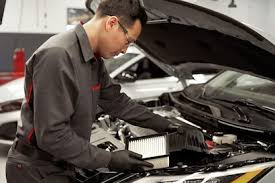
There is also the question of breakdowns. A dead battery or a flat tire is an inconvenience for anyone, but for an older adult alone on the side of a busy road, in the cold or after dark, it can be frightening and even dangerous. Regular maintenance catches most of these problems before they leave you stranded. A couple of times a year, it is worth taking a moment to book a service visit and let a trained technician look over the things you can’t easily check from the driver’s seat.
The Parts That Matter Most for Safety
Brakes come first. If the pedal feels soft, the car pulls to one side when you stop, or you hear squealing or grinding, it is time to have them checked right away. Brakes wear gradually, so the change can be hard to notice from the driver’s seat, which is why a professional inspection is so useful.
Tires are a close second. Worn tread makes it much harder to stop on wet or snowy roads, and tires that are low on air make the car handle poorly. Tire pressure also drops in cold weather, so it is worth checking it more often in the winter months. A technician can measure the tread, look for cracks or bulges, and rotate the tires so they wear evenly and last longer.
Lights and wipers are easy to overlook, but they have a direct effect on how well you can see and be seen. Headlight lenses turn cloudy and yellow over the years, which dims the light on the road at night. Wiper blades harden and start to streak, leaving a blurry patch right in your line of sight. Both are inexpensive to fix and can make driving at dusk or in the rain noticeably less stressful.
The battery is the most common reason a car won’t start, especially on cold mornings. Most batteries last around three to five years, and a quick test during a service visit shows whether yours is getting weak. Replacing it before it fails is far better than waiting for a call to roadside assistance.
Finally, fluids such as engine oil, coolant, brake fluid and washer fluid keep the car running smoothly and protect expensive parts from damage. Topping them up and changing them on schedule is routine work for any service department.
How Often Should You Service a Car You Don’t Drive Much?
Many retirees drive far fewer miles than they did during their working years, and it is natural to assume the car needs less attention as a result. In practice, the opposite is often true. Short trips around town never let the engine fully warm up, which is harder on the oil and the battery than long highway drives. A car that sits for days at a time can also develop low tire pressure, a drained battery and rubber parts that dry out. And if keeping a car in shape starts to feel like more trouble than it’s worth, many independent living communities offer scheduled transportation, so residents can still get around without driving every day.
That is why most manufacturers recommend service based on time as well as mileage. Even if you only drive a few thousand miles a year, it is a good idea to have the car looked at about every six months, or at least once a year. The owner’s manual lists the exact schedule for your vehicle, and a dealership service department can tell you what is due based on its age and history.
A simple habit that works for many people is to tie service visits to the seasons, with one check in the fall before the cold weather arrives and another in the spring. That way nothing gets forgotten, and the car is always ready for the conditions ahead.
Getting Ready for Winter
Winter is the hardest season on both cars and drivers. Cold temperatures weaken batteries, thicken fluids and lower tire pressure, while snow, ice and early sunsets make the roads more demanding. A fall checkup is one of the most valuable things an older driver can do.
Before the first freeze, it makes sense to have the battery tested, the tires checked for tread and pressure, the coolant inspected so it protects the engine in freezing weather, and the heater and defroster tested so the windows stay clear. Fresh wiper blades and a full reservoir of winter washer fluid are worth adding too.
It also helps to keep a small winter kit in the trunk with a blanket, a flashlight, an ice scraper, a phone charger and a bottle of water. You will probably never need it, but it brings real peace of mind on a cold evening.
How Families Can Help Without Taking Over
Adult children often worry about a parent who still drives, but they don’t always know how to bring it up. Car maintenance is a gentle and respectful place to start. Offering to keep track of service dates, driving along to an appointment or simply asking how the car has been running feels supportive rather than controlling, and it keeps the conversation focused on the car rather than on the person’s abilities.
Riding along now and then is also a natural way to notice if anything has changed. If a parent seems unsure at intersections, gets lost on familiar routes or has new dents and scrapes on the car, it may be time for a calm, honest talk and possibly a visit to the doctor or a driving evaluation. Many communities offer refresher courses for older drivers, and some insurers give a discount for completing one.
The goal is not to take away the keys but to help a loved one keep driving safely for as long as possible. When families and older drivers approach it as a team, those conversations become much easier.
Choosing a Service Center and Keeping Costs in Check
For older drivers, a good service experience is about more than the repair itself. It helps to choose a place that explains things clearly, gives a written estimate before starting any work and doesn’t pressure you into extras you don’t need. A comfortable waiting area, a shuttle or loaner car, and the option to schedule online or by phone can make the visit much easier.
Dealership service departments know your specific make and model well, use parts designed for your car and keep records of past work, so they can remind you when the next service is due. Independent shops can also do excellent work. Whichever you choose, staying with the same place builds a history that helps technicians spot problems early.
Regular maintenance is also one of the best ways to save money. Replacing worn brake pads costs far less than repairing damaged rotors, and a timely oil change protects the engine from expensive wear. Before your appointment, it helps to write down anything unusual you have noticed, such as a new noise, a warning light or a change in how the car handles. Don’t hesitate to ask the technician to explain what they found and which repairs are urgent and which can safely wait.
Staying on the Road With Confidence
Driving well into later life is about more than skill behind the wheel. It is also about having a car you can trust every time you turn the key. Regular service keeps the brakes, tires, lights and safety systems working the way they should, which gives older drivers the extra margin they need and fewer surprises along the way.
A checkup twice a year takes only a little time, but it protects something that matters a great deal: the freedom to go where you want, when you want. For seniors and the families who care about them, that peace of mind is well worth the effort.