
It was a peaceful Saturday morning filled with ease that you learn to appreciate only once you retire. The coffee and pastries were already on the table when Marilyn and David heard the car pulling into the driveway.
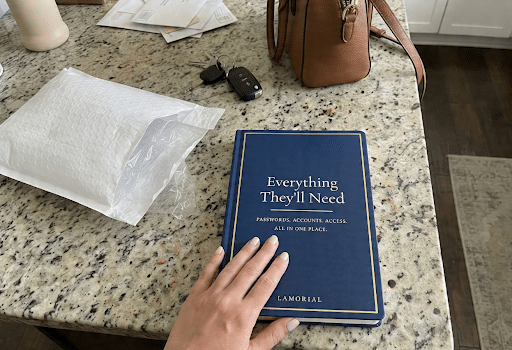
"We’ve gathered all of you here for a reason," Marilyn explained as she laid a navy-colored hardcover book on the kitchen table, "We would like to show you how everything works around this house."
Her husband smiled and opened the planner while their two grown children gave each other curious looks. They assumed that the topic of conversation would revolve around vacations or redecoration, but over the next two days, they learned the most important details of their parents’ daily lives.
The conversation was quite upbeat: it felt more like learning some peculiar family secrets that no one mentioned before. They talked about how to organize family information and where it was stored, the utility bills and how they were paid, as well as the email account that received all the financial notifications. This small action made the typical family weekend something truly special.
Why Retirement Is the Perfect Time for This Conversation
Retirement marks a wonderful time of transition. With the calendar clearing up and work fading out of the picture, couples have time to work on projects they’ve been putting off for ages. They can also devote more time to legacy planning and overall retirement organization.
As a rule, the pace of life slows down, and it settles into a number of comfortable routines. Retirement often brings:
- More time to enjoy weekends together without work schedules getting in the way.
- Well-established financial accounts, insurance policies, and household systems.
- Adult children who are prepared to learn about the workings of their family home.
Instead of considering legacy planning as just another item on their retirement checklist, many families find that it provides them with an opportunity to exchange stories and answer questions while making life easier for all.
What a Family Organization Weekend Actually Looks Like
The idea may sound formal, but in reality it feels surprisingly ordinary. No presentations. No complicated binders spread across the dining room table. Just conversations that happen naturally as the day unfolds.
Saturday Morning: Starting the Conversation
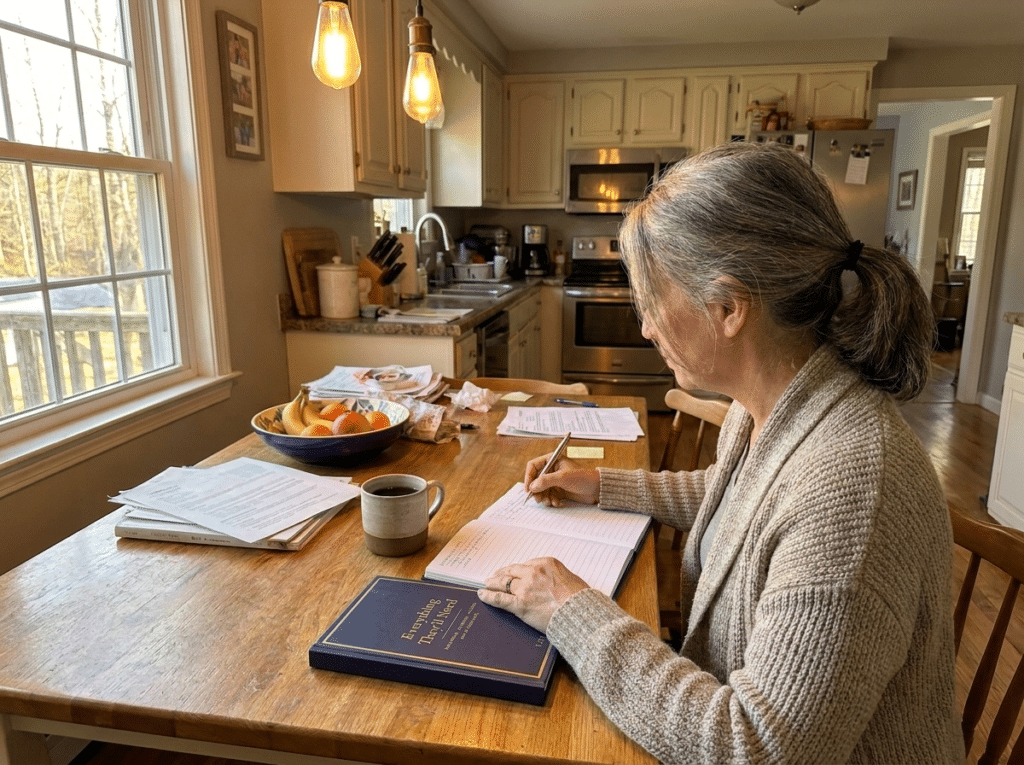
As everyone was sipping on their morning tea and coffee, the adult children waited for their parents to start. The end of life planner by Lamorial stayed open beside the coffee cups while Marilyn and David explained why they wanted everyone together.
"We've spent years getting our household organized," David laughed. "Now we'd like somebody besides the two of us to know how it works."
The conversation quickly became interactive. Their daughter asked where the insurance policies were stored. Their son wondered who handled the property taxes each year. Someone remembered the safe deposit box.
There was no pressure to finish everything at once. They simply worked through the household together, one conversation at a time.
Walking Through the Household Together
As the afternoon continued, the conversation moved naturally from one subject to another. Rather than reading through paperwork, Marilyn and David simply explained how their everyday life worked.
They talked about things such as:
- The most important documentation, insurance policies, and financial records, and where they are stored.
- Various utilities that were managed via the Internet.
- Digital accounts and subscriptions.
- How the password manager, recovery email, and emergency contacts fit into their everyday routine.
Nearly every account they used relied on a smartphone. Banking notifications appeared through secure apps, family photos lived in cloud storage, and a password manager protected dozens of online accounts. Their children admitted they had never realized how much modern household management depended on one phone.
Sunday: Answering Questions and Filling in the Gaps
By Sunday morning, the planner was no longer just about Marilyn and David, bringing the whole family into the conversation. They brewed more coffee, someone brought fresh baked goods from the local bakery, and then they started asking more questions naturally.
"Do you have the contacts of a good roofer and plumber?” "Where do you store all the warranty documents?" Each answer brought them a step closer to understanding the lives of their parents better. They also filled the gaps in their knowledge, such as:
- Emergency contacts and healthcare provider preference forms.
- Home records, utility accounts, and insurance information.
- Recent home maintenance details.
- Online subscriptions and newly created services.
Marilyn also remembered a streaming subscription they no longer used, and an email address she set up specifically for some outdated rewards program. Instead of getting overwhelmed, their kids volunteered to help solve these issues, quickly getting a hang of how their parents’ household is run.
Why These Conversations Save Families So Much Stress Later
As a rule, within a family, only a few people know all the important details about their households. Until someone needs to step in temporarily, realizing that they don’t know the financial account information or insurance policy details. Adult children may also spend hours looking for passwords to enter specific apps.
For example, think of an iPhone that houses all kinds of banking applications and password management programs. Even with proof that they're authorized to help, family members cannot expect Apple to unlock the device simply because they request access. Apple's security features are designed to protect user privacy, which means the phone passcode and trusted recovery methods still matter.
According to AARP, "1 in 3 caregivers say a top caregiving challenge is locating passwords and accounts, and 49 percent don't have legal authorization to ask providers to disclose any details.” That reminder highlights why organizing digital information is an important step in making everyday life easier if help is ever needed.
How the Lamorial End of Life Planner Makes the Weekend Easier
By the end of the weekend, Marilyn joked about how impossible it would have been for her to have this discussion without the end of life planner. Not that it dictated what to say, but rather it became their guide as to what was an important matter for discussion.
One page reminded them to talk about financial accounts. Another prompted them to record emergency information. The End of Life documents checklist stopped being a workbook and became a family resource that could be used any time there was a change within the family.
One Weekend That Brings the Whole Family Closer
When the day was coming to an end, their talk about retirement planning and household information finally dwindled down. Marilyn looked around the family members and realized they all had accomplished something beautiful. It was much more than simply organizing paperwork and reminiscing about the good old days.
Her children now understood how the household operated. They knew how to organize important documents and where to store them. Most importantly, Marilyn and David understood what more they should talk about in the future to help their kids.
Few families regret the time spent discussing the practical side of things during a weekend. Much more often, they feel disappointed that they started too late.