
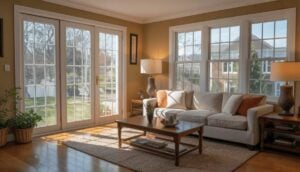
The familiarity and comfort of a home can be felt for decades, but managing its features as we get older can become difficult. Even small things can become a struggle when you encounter the window difficult to open, a slick floor, or a dimly lit door. Carefully planned renovations can help seniors maintain their independence at home without creating a clinical feel.
Starting with everyday routines is a good place to begin. Note any areas of difficulty, such as opening doors, carrying groceries, reaching light switches, or moving safely between rooms. These instances provide a more practical renovation checklist than a lengthy catalog of trendy items.
Make Entrances Easier to Navigate
Anyone who uses a wheelchair, cane, or walker should have an accessible entry. Look for doors that require a lot of force to open, uneven thresholds, inadequate lighting, and shaky steps.
Many older adults find lever-style door handles easier to grip and operate than traditional round doorknobs. Another option that can make evening arrivals less unpleasant is motion-activated exterior lighting. When stairs cannot be removed, a well-planned ramp or railing can help; still, have qualified professionals evaluate and install any major accessibility changes.
If the current fittings are difficult to use, it could be worth considering replacing the windows and doors. Families considering established options may weigh the pros and cons of each model, installation service, and upkeep before committing to a major upgrade.
Choose Flooring With Stability in Mind
The flooring should be stable enough to walk on without getting in the way of walkers or wheelchairs. An increased danger of tripping can be caused by loose rugs, curled carpet edges, and sudden changes in floor height.
Maintain clean pathways, fix broken surfaces, and secure or remove carpets that could cause someone to trip. When shopping for new flooring, ask about the material’s slip resistance, cleaning requirements, and how easily a wheelchair or walker can glide across it. Even if a surface looks great in the showroom, it may respond differently when wet or when someone is less stable.
Pay special attention to the bathrooms. Decorative touches take a back seat to functional safety features like slip-resistant floors, sturdy grab bars, and sufficient illumination. Instead of being screwed into drywall, grab bars should be fastened to appropriate structural supports.
Prioritize Materials That Are Easy to Maintain
Low-maintenance materials can reduce the physical labor required to keep a home safe. For older adults who find cleaning, painting, or frequent repairs physically demanding, these materials can make home maintenance easier.
Some window components and home goods, for instance, make use of fiberglass because of the material’s resistance to corrosion and moisture. One of the benefits is that it “Combines durability with minimal maintenance,” although how well it works depends on choice for certain home improvements, the product, finish, and installation.
Don’t assume any material requires no upkeep. Find out what the guarantee covers, how to clean it, and if repairs are easy. A detailed product description may matter less than easy-to-follow care instructions.
Improve Comfort Without Sacrificing Familiarity
Without breaking the bank, you can create a big impact with well-lit spaces, unobstructed walkways, and convenient storage. Choose controls with legible labeling, install nightlights between the bathroom and bedroom, and bring commonly used things up to waist height.
Seek the elder adult’s decision while making important decisions. Although a caregiver may find a modification useful, the person living in the house may find it unnecessary or annoying. The task should be guided by their habits and preferences.
Plan for Changing Needs
Predicting every potential obstacle is not the point of aging in place. Making reasonable decisions today while keeping room for later adaptations is key.
Before starting any structural repairs or accessibility installations, make sure everyone is safe, set a realistic budget, and consult experts. As their needs change, older adults can maintain their confidence and independence in a home that feels comfortable and manageable.