
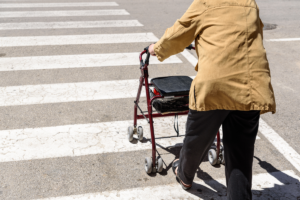
A pedestrian accident can change daily life in ways that go far beyond the initial injury. For older adults, a crash may affect mobility, confidence, transportation, caregiving needs, and the ability to live independently. Even when recovery is possible, the weeks and months after the accident can require major adjustments for both the injured person and their family.
In Bismarck and across North Dakota, pedestrian injuries may happen in crosswalks, parking lots, residential neighborhoods, store entrances, apartment complexes, and near medical or senior living facilities. Understanding the practical impact of these injuries can help families plan for care and make informed decisions after an accident.
Mobility May Change Quickly
Walking is often connected to independence. It allows older adults to run errands, visit neighbors, attend appointments, enjoy social activities, and maintain normal routines. After a pedestrian accident, injuries to the hips, knees, legs, feet, back, or shoulders can make even short distances difficult.
A person who previously walked without help may suddenly need a cane, walker, wheelchair, or assistance from another person. Stairs, uneven sidewalks, icy surfaces, and long parking lots may become much harder to manage.
Daily Care Needs Can Increase
A pedestrian injury may create new care needs at home. Family members may need to help with bathing, dressing, cooking, medication reminders, transportation, cleaning, or mobility support.
In more serious cases, the injured person may need home health care, physical therapy, occupational therapy, or temporary placement in a rehabilitation facility. These changes can be stressful, especially when family caregivers are also managing work, children, or long-distance responsibilities.
Medical Appointments Can Become a Major Part of Life
Recovery after a pedestrian accident may involve emergency treatment, follow-up visits, imaging, specialist care, therapy, medication, and mobility evaluations. For older adults, existing health conditions can make recovery more complicated.
Transportation to appointments may become a challenge. If the injured person cannot drive, family members or caregivers may need to arrange rides, coordinate schedules, or use medical transportation services.
Keeping medical records organized can help families track treatment, expenses, progress, and instructions from providers.
Fear of Walking Can Affect Confidence
The emotional effects of a pedestrian accident are sometimes overlooked. Someone who was hit while walking may become anxious near traffic, crosswalks, parking lots, or busy intersections. They may avoid going outside alone or stop participating in activities they previously enjoyed.
This loss of confidence can reduce independence and social connection. Families should pay attention not only to physical recovery, but also to fear, anxiety, sleep changes, or withdrawal after the accident.
Home Safety May Need to Be Reconsidered
After an injury, a home that once felt manageable may no longer be safe or practical. Families may need to evaluate steps, rugs, bathrooms, lighting, entryways, and furniture placement.
Helpful changes may include grab bars, ramps, better lighting, non-slip mats, raised seating, cleared walkways, and easier access to frequently used items. These adjustments can help reduce the risk of another fall or injury during recovery.
Financial Pressure Can Add Stress
Pedestrian injuries can bring unexpected expenses. These may include medical bills, therapy, prescriptions, mobility equipment, transportation, home modifications, and paid caregiving support.
If the injured person was still working or helping with family responsibilities, lost income or reduced ability to contribute may also become an issue. Even retirees may face financial pressure if insurance does not cover every need.
Families should keep receipts, bills, insurance letters, appointment records, and notes about caregiving time or out-of-pocket expenses.
Evidence Can Help Explain What Happened
After a pedestrian accident, evidence may help clarify whether a driver, property owner, or another party contributed to the injury. Useful information may include police reports, witness contact details, photos of the scene, traffic signals, crosswalk markings, lighting conditions, weather, medical records, and surveillance footage.
In North Dakota, road conditions, visibility, speed, and driver awareness may all matter. Evidence can disappear quickly, so early documentation can be important.
When Legal Guidance May Help
Families may benefit from legal guidance when injuries are serious, insurance questions become difficult, fault is disputed, or long-term care needs are unclear.
For someone injured in or the surrounding North Dakota area, speaking with a Bismarck pedestrian accident lawyer can help clarify which records may matter and how the claim may be evaluated.
Lowe Law Group assists people injured in serious pedestrian accidents. The firm can be a useful local resource when medical care, mobility challenges, family caregiving, insurance issues, and liability questions overlap.
Final Thoughts
Pedestrian injuries can affect independence, confidence, health, finances, and daily care. For older adults and their families, recovery may require planning, patience, and support.
After an accident in North Dakota, focus on medical care, documentation, safe mobility, and clear communication with caregivers and providers. Protecting independence often starts with understanding the full impact of the injury.