
Modern senior communities have evolved well beyond the traditional model of providing housing and healthcare. Today's residents are looking for environments that encourage independence, foster social interaction, and support overall well-being. At the same time, operators are seeking ways to create inviting spaces that enhance resident satisfaction while remaining practical to maintain.
As expectations continue to change, thoughtful design has become an important part of creating communities where older adults can thrive. From welcoming gathering spaces to wellness-focused amenities, today's design trends prioritize both function and comfort while reflecting the lifestyles of modern seniors.
Why Design Matters More Than Ever in Senior Communities
A well-designed environment influences much more than appearance. It affects how easily residents navigate a building, interact with neighbors, and maintain their independence. Comfortable surroundings can also contribute to reduced stress, improved mood, and a stronger sense of belonging.
Communities that invest in thoughtful environments often find that attractive, functional spaces help attract new residents while enhancing the daily experience of current ones. Design decisions today are increasingly guided by accessibility, flexibility, and long-term usability rather than aesthetics alone.
Transitioning from institutional layouts to residential-inspired environments creates spaces that feel welcoming instead of clinical, helping residents feel more at home from the moment they arrive.
Creating Spaces That Support Everyday Living
Modern senior communities are placing greater emphasis on adaptable spaces that serve multiple purposes throughout the day.
Flexible Common Areas
Shared spaces are no longer designed for a single activity. Instead, lounges, libraries, dining areas, and activity rooms are being planned to accommodate everything from family visits and educational programs to fitness classes and social gatherings.
Movable furniture, comfortable seating arrangements, and thoughtful lighting allow these areas to evolve as community needs change.
Comfort Without Sacrificing Style
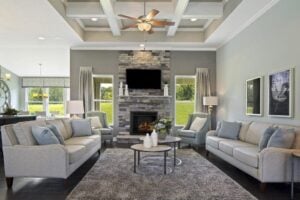
Residents appreciate interiors that reflect current design preferences while remaining easy to navigate. Designers often combine warm color palettes, durable materials, and residential furnishings to create environments that feel familiar and inviting.
Soft textures, layered lighting, and acoustic considerations also contribute to spaces that encourage conversation while reducing unnecessary noise.
As communities continue to modernize, many organizations also look to examples of thoughtful senior living interior design projects to better understand how aesthetics, accessibility, and functionality can work together in supportive environments.
Bringing Nature Indoors
Biophilic design continues to influence healthcare and senior housing alike. Incorporating natural elements into everyday spaces can make interiors feel calmer and more inviting.
Popular approaches include:
- Large windows that maximize daylight
- Indoor plants and living greenery
- Natural wood finishes and stone textures
- Outdoor courtyards connected to interior gathering spaces
- Walking paths with gardens and shaded seating
Access to nature encourages residents to spend more time outdoors while providing peaceful settings for exercise, conversation, and relaxation.
Natural light also plays a practical role by supporting healthy sleep patterns and making interior spaces easier to navigate throughout the day.
Technology That Blends Into Daily Life
Technology has become an important feature of modern senior communities, but the emphasis is shifting toward solutions that feel seamless rather than overwhelming.
Instead of focusing solely on advanced devices, communities are integrating technology in ways that improve daily life. Examples include digital visitor management systems, discreet emergency response features, smart lighting controls, and user-friendly communication tools that help residents stay connected with family members.
Reliable Wi-Fi throughout the community has also become an expectation, supporting video calls, online learning, entertainment, and telehealth appointments without requiring complicated setups.
The most successful communities introduce technology gradually while ensuring it remains intuitive and accessible for residents with varying levels of digital experience.
Personalization Creates a Sense of Home
No two residents share the same preferences, routines, or life experiences. Modern communities increasingly recognize the importance of allowing individuals to personalize their living spaces.
Simple opportunities for customization can have a meaningful impact, including:
- Displaying personal artwork and family photographs
- Offering multiple furniture layout options
- Providing a variety of dining experiences
- Creating activity spaces that reflect resident interests
- Designing neighborhoods with unique themes or identities
You can also look at adding homely features, like vases and candelabras from https://www.jamaligarden.com/collections/candelabras, to make residents feel warm and welcome in the different spaces.
These personalized touches help transform apartments into homes and encourage stronger emotional connections to the community.
Wellness-Focused Amenities
Wellness now extends far beyond fitness centers. Communities are taking a more comprehensive approach that supports physical, emotional, cognitive, and social health.
Popular amenities often include walking trails, meditation rooms, creative arts studios, fitness classes designed for varying mobility levels, and demonstration kitchens that promote healthy eating.
Dining spaces have also evolved into social destinations where residents can gather with friends and family in comfortable, restaurant-inspired settings.
Programming works hand in hand with these physical spaces, encouraging lifelong learning, volunteer opportunities, and community engagement that help residents remain active and connected.
Planning for the Future
One of the most important design trends is flexibility. Communities are planning with future needs in mind, allowing spaces to adapt as resident expectations continue to evolve.
Universal design principles make environments easier for everyone to use, regardless of age or mobility. Wider pathways, intuitive layouts, accessible bathrooms, and carefully selected materials contribute to safer environments without drawing attention to accessibility features.
Sustainability is also becoming part of long-term planning. Energy-efficient lighting, environmentally responsible materials, and water-saving fixtures help reduce operating costs while supporting broader environmental goals.
Communities that combine adaptable design features with long-term planning are better positioned to serve future generations while maintaining welcoming environments for current residents.
Thoughtful Design Builds Better Communities
The best senior communities recognize that design shapes daily experiences in meaningful ways. Comfortable gathering spaces, natural light, accessible layouts, integrated technology, and wellness-focused amenities all contribute to environments where residents feel supported, engaged, and at home.
As expectations continue to evolve, successful communities will focus less on simply providing housing and more on creating vibrant places where people can enjoy meaningful connections, maintain independence, and experience a high quality of life. Thoughtful planning today lays the foundation for communities that remain welcoming, functional, and resilient well into the future.