
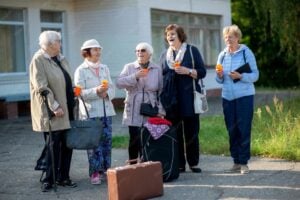
Downsizing into a retirement village can offer more than a smaller, easier-to-manage home. It can create regular opportunities for friendship, shared activities, volunteering, learning, and everyday connection. For older adults, the right move can mean less time spent maintaining a property and more time enjoying relationships and experiences.
Communities built around shared spaces and activities can make meeting people easier. Southern Cross Care reflects the broader focus on creating supportive environments where individual needs and preferences remain important.
1. New friendships can happen naturally
A retirement village creates opportunities to meet people without having to arrange every interaction in advance. Shared lounges, gardens, dining areas, walking paths, and community spaces encourage casual conversations.
Friendships may begin with:
- A morning walk.
- Coffee with neighbors.
- A community meal.
- A group activity.
- Helping someone with a small task.
- Talking about a local event.
Repeated, low-pressure interactions can gradually become meaningful relationships.
2. There is a built-in social calendar
Many independent-living communities offer activities, outings, clubs, classes, meals, transportation, and shared amenities. Options may include game nights, walking groups, fitness classes, gardening, book discussions, painting, educational workshops, excursions, and entertainment.
Having activities nearby makes trying something new easier. Residents can choose what interests them without having to organize everything themselves.
3. Less housework creates more time
Household organization and chores can consume considerable time. A smaller home can reduce these responsibilities, leaving more energy for people and experiences.
That time might instead go toward visiting neighbors, calling family, joining clubs, volunteering, exercising, attending events, pursuing hobbies, or planning trips.
4. Shared interests make connection easier
Starting new friendships can feel difficult, particularly after retirement or relocation. Hobby groups provide an easy starting point because people already have something in common.
Residents might connect through gardening, cooking, photography, travel, reading, arts and crafts, fitness, music, local history, or volunteering.
A shared interest also gives people a reason to meet repeatedly, helping familiarity develop naturally.
5. Community can ease loneliness
Living alone and feeling lonely are not the same thing, but reduced social contact can make isolation harder. A retirement village can make everyday interaction more accessible.
Residents do not need to attend every event. Simply having familiar faces nearby can provide reassurance. A short conversation during a walk or in a shared garden can make an ordinary day feel more connected.
This can be particularly meaningful after losing a partner, leaving a longtime neighborhood, or experiencing reduced mobility.
6. Outings can keep residents connected
Transportation or organized outings can help residents remain socially active outside the village. Trips may include shopping, restaurants, parks, libraries, cultural events, religious services, community centers, and family visits.
This can be useful for people who want to remain independent but no longer want to drive regularly.
7. Residents can contribute
Retirement does not mean losing the ability to contribute. Residents may organize events, welcome newcomers, lead hobby groups, share professional experience, support charity projects, mentor others, or help coordinate activities.
These roles can provide purpose while creating connections with people who share similar interests.
8. Family visits can become easier
A manageable home and accessible shared spaces can reduce some practical pressures for families. Visits can focus more on conversation and shared experiences rather than repairs, yard work, or household administration.
Residents may also have options such as communal dining, gardens, lounges, and community events where family members can spend time with them.
Final Takeaways
- Downsizing can create more opportunities for friendship.
- Shared activities make meeting people easier.
- Less housework can free time for relationships.
- Common interests provide natural ways to connect.
- Community living can help reduce isolation.
- Volunteering can create purpose and belonging.
- Flexible support can help preserve social connections.