
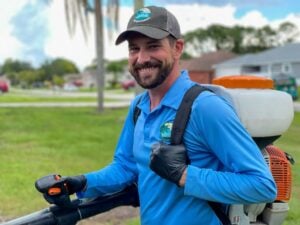
Families researching senior living and care options usually focus on staffing ratios, dining menus, and activity calendars. Pest control rarely makes the shortlist of questions, yet it directly affects the health and comfort of residents who often have compromised immune systems, respiratory sensitivities, or medications that can interact poorly with harsh chemicals. For readers of New LifeStyles comparing communities, understanding how a facility manages pests, and with what products, is quietly becoming as relevant as understanding its care philosophy.
What has changed is not the presence of pests but the tools and standards used to manage them. A few years ago, most communities relied on scheduled chemical spraying regardless of whether pests were even present. Today, that approach is being replaced by targeted, lower-toxicity methods driven by resident safety concerns, regulatory pressure, and a genuinely different pest control marketplace than existed even five years ago.
Operators searching for guidance are increasingly working with specialists rather than generic exterminators. The pest control experts at Native Pest Management(opens in new tab) represent this shift toward providers who build treatment plans around a building’s specific residents, structure, and pest pressure instead of applying a one-size-fits-all chemical schedule. That distinction matters enormously in a memory care wing or a shared dining hall where airborne chemical exposure carries different risks than it would in a single-family home.
The Shift Toward Eco-Friendly Pest Control: Why Senior Living Communities Are Changing
Three forces are pushing this change simultaneously. First, regulatory bodies overseeing long-term care facilities have tightened rules around chemical use in shared living spaces, particularly near dining areas and resident rooms. Second, families and residents themselves are asking more pointed questions about what gets sprayed in the building, a shift mirrored in broader consumer behavior. Third, the pest control industry itself has matured, offering products and methods that simply did not exist in mainstream use a decade ago.
According to Pest Control Market 2026 to 2034, the industry is moving decisively toward botanical-based, organic, and biopesticide formulations as regulatory tightening and environmental concerns push traditional pesticides out of favor. This is not a niche trend confined to residential gardeners. It is reshaping how commercial contracts, including those serving assisted living and skilled nursing facilities, get written and priced.
Integrated Pest Management (IPM) and Botanical Solutions Leading the Way
Integrated Pest Management has moved from an optional add-on to the default framework many senior living operators now require in their vendor contracts. IPM prioritizes prevention, sealing entry points, managing moisture, and removing food sources, before any chemical treatment is considered. When treatment is necessary, botanical and organic-derived products increasingly replace synthetic pesticides, particularly in areas with high resident contact like dining rooms, common areas, and private suites.
This matters practically because residents in communities offering assisted living often spend the majority of their day within a single building, unlike a typical homeowner who might be away during a treatment window. Reduced-toxicity approaches lower the risk of respiratory irritation or skin reactions in a population where such reactions can complicate existing health conditions. Facilities that have adopted IPM report fewer resident complaints and easier compliance with health department inspections, since documentation of a prevention-first approach tends to satisfy regulators more readily than a simple spray log.
Technology and Monitoring: Smart Systems Enhancing Resident Safety
Alongside greener chemistry, the tools used to detect pests have gotten noticeably smarter. Sensor-based monitoring stations, remote-reporting traps, and data-driven inspection scheduling now allow pest control providers to catch activity early, often before a single resident notices a problem. This precision approach reduces the need for blanket treatments because technicians can target the exact location and pest species involved rather than treating an entire wing preventatively.
Precision methods also generate records that facility administrators can show families and inspectors, turning pest management from an invisible background task into a documented, defensible part of resident care. Adoption of these monitoring systems is accelerating quickly across the professional pest management industry, and senior living operators are among the commercial clients pushing hardest for it, given the higher stakes involved in caring for older adults with fragile health.
| Metric | Figure |
| U.S. pest control market growth | $22.7 billion (2022) to $29.1 billion by 2026, 5.7% CAGR through 2032 |
| Homeowners seeking eco-friendly alternatives | 92% (2024-2025) |
| Organic pest control product market by 2027 | $6.4 billion, 12.3% CAGR |
| Precision pest management adoption by 2025 | 35% of professional practices |
| Healthcare sector trend | Increasing adoption of non-toxic pest management for sanitary conditions |
What This Means for Senior Living Facilities Going Forward
For administrators, these shifts mean pest control is no longer a line item negotiated purely on price. Contracts increasingly specify product types, application methods, and reporting frequency, reflecting the same scrutiny families apply to medication management or dietary accommodations. Facilities that lag behind on eco-friendly adoption may find themselves at a disadvantage when families compare options, especially as awareness of chemical exposure risks continues to grow among adult children researching care for aging parents.
For families and residents reading through New LifeStyles listings, it is worth asking any prospective community directly about its pest management approach, not because pests are common, but because the answer reveals something about how seriously a facility takes resident health in the less visible corners of daily operations. A community using integrated, low-toxicity methods with modern monitoring is signaling a broader operational philosophy that likely extends to other areas of care as well. As the market keeps moving toward greener, smarter pest management, that question is becoming a small but meaningful part of a much bigger decision.