
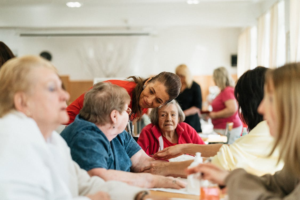
Mental health care for older adults requires a thoughtful and highly attentive approach. Aging often brings complex changes that affect emotional well-being, cognition, and physical health all at once. Depression may appear alongside chronic illness. Anxiety can intensify with loss, isolation, or declining independence. Cognitive disorders such as dementia add another layer of vulnerability. Nurses play a steady and essential role in navigating these challenges.
Consistent contact with patients places nurses in a position to notice subtle behavioral and emotional shifts that others may miss. Their ability to combine clinical skill with compassionate presence makes a meaningful difference in geriatric psychiatric settings. Impact does not come from dramatic interventions alone. It grows through careful assessment, therapeutic communication, and advocacy that protects dignity and autonomy.
Therapeutic Communication Skills
Effective psychiatric care begins with trust. Older adults may hesitate to discuss mental health concerns due to stigma or generational beliefs about emotional resilience. Nurses create a safe environment through patience, respect, and attentive listening.
Clear and calm communication reduces confusion and anxiety. Hearing or cognitive impairments can complicate conversations, so nurses adjust their pace and language to ensure understanding. Eye contact, open posture, and consistent tone reinforce emotional safety. Memory loss or cognitive decline requires added sensitivity. Gentle redirection and reassurance help maintain stability during moments of confusion.
Education and Advanced Practice Pathways
Specialized training strengthens a nurse’s ability to manage late-life psychiatric conditions. Older adults often present with overlapping medical and psychological symptoms that require advanced clinical judgment. Education focused on geriatric mental health prepares nurses to interpret these complexities accurately.
Growing demand for psychiatric services among seniors has expanded the responsibilities of advanced practice nurses. Psychiatric mental health nurse practitioners diagnose and treat depression, anxiety, dementia-related behavioral changes, and other age-associated conditions. Those already in the system can enroll in online psychiatric nurse practitioner programs to strengthen geriatric mental health expertise and expand their clinical impact in aging populations. Advanced education allows nurses to refine diagnostic skills, improve medication management strategies, and provide comprehensive psychiatric support tailored to older adults.
Northern Kentucky University, for example, offers an online MSN – Psych-Mental Health Nurse Practitioner (PMHNP) program that equips nurses with the skills to evaluate, diagnose, and manage mental health conditions at every stage of life, with focused preparation for complex psychiatric needs in older adults. The curriculum emphasizes evidence-based practice and supervised clinical experiences that build confidence in managing coexisting medical and cognitive concerns.
Early Identification of Cognitive and Mood Changes
Subtle changes in mood or cognition often signal deeper concerns in older adults. Withdrawal from social interaction, appetite shifts, sleep disruption, or increased irritability may reflect depression or anxiety rather than normal aging. Nurses remain alert to these patterns during routine interactions.
Suicide risk among older adults remains a serious concern, particularly among those experiencing chronic illness or social isolation. Thoughtful assessment and direct yet compassionate questioning create opportunities for early intervention. Timely documentation and communication with the care team support prompt action.
Interdisciplinary Collaboration in Geriatric Settings
Comprehensive geriatric psychiatric care depends on teamwork. Older adults often require coordination among primary care providers, psychiatrists, neurologists, social workers, and rehabilitation specialists. Nurses serve as a central link within this network.
Daily patient interactions allow nurses to gather detailed insights about functional ability, medication tolerance, and emotional well-being. Sharing this information strengthens treatment decisions and supports continuity of care. Clear communication prevents fragmented services and reduces the risk of avoidable hospitalizations.
Advocacy and Reducing Stigma in Older Populations
Mental health stigma remains particularly strong among older generations. Many seniors grew up in environments where emotional struggles were rarely discussed. Nurses advocate for open conversations that normalize psychiatric care as part of overall health.
Advocacy includes ensuring equitable access to services. Transportation challenges, financial limitations, and mobility restrictions often prevent older adults from receiving consistent treatment. Nurses help identify community resources and coordinate support systems that reduce these barriers. Protecting dignity remains central to geriatric psychiatric practice.
Leadership Within Geriatric Psychiatric Settings
Strong leadership improves both patient care and workplace stability in geriatric psychiatric environments. Older adults often require longer-term treatment plans and careful monitoring, which calls for steady coordination and clear clinical direction. Nurses frequently guide that structure through daily decision-making and team communication.
Experienced nurses mentor newer staff on the nuances of aging-related mental health concerns. They offer guidance on managing dementia-related behaviors, addressing end-of-life emotional distress, and navigating ethical questions surrounding autonomy and safety. That mentorship strengthens confidence across the care team.
Cultural Sensitivity in Aging Populations
Cultural background influences how older adults understand mental health and aging. Beliefs about independence, family roles, and emotional expression vary widely across communities. Nurses who approach care with cultural awareness build stronger therapeutic relationships.
Open conversations about values and traditions create space for individualized care planning. Some older adults may rely heavily on family decision-making, while others prioritize personal autonomy. Clear and respectful dialogue helps align treatment with those preferences.
Policy Engagement and Advocacy for Older Adults
System-level advocacy expands the impact nurses can have on geriatric psychiatric health. Access to mental health services remains uneven for older populations, particularly in rural or underserved communities. Nurses bring firsthand knowledge of these gaps into policy discussions.
Professional involvement in advisory boards, community coalitions, and nursing organizations allows nurses to support funding initiatives and workforce development focused on aging populations. Their clinical experience highlights the importance of integrated mental and physical health services for seniors. Advocacy also includes addressing age-related bias within health systems.
Geriatric psychiatric health requires patience, clinical precision, and sustained commitment. Older adults face layered challenges that involve emotional, cognitive, and physical changes. Nurses remain central to navigating these complexities with skill and compassion.
Therapeutic communication builds trust. Advanced education strengthens clinical expertise. Early identification of mood and cognitive shifts protects safety. Collaboration ensures continuity. Advocacy promotes dignity and access. Leadership and cultural awareness further elevate the standard of care. Lasting impact emerges through consistent attention to both the clinical and human aspects of aging.