Can You Challenge a Senior’s Unsafe Hospital Discharge?

For many families, the hardest part of a hospital stay begins when an older adult is told it’s time to go home. That transition carries real risk, especially if a senior is still unsteady or juggling unfamiliar new prescriptions. A major study of more than 1.86 million older adults found that those discharged with a new sedative prescription faced a 20% higher risk of falls, emergency visits, and readmission, and that same newly exposed group was roughly 80% more likely to die within a month of leaving. When medical instructions, mobility limits, and daily supervision suddenly become the family’s responsibility, the safety net can thin out fast. If a family feels a senior isn’t ready for that shift, they have the right to slow things down and question an unsafe discharge.

Short Answer: Yes, You Can Question an Unsafe Hospital Discharge

Families can ask for an explanation, request clarification, and raise safety concerns before the older adult leaves. Challenging a discharge isn’t the same as refusing one outright. It means asking the care team to reassess readiness and arrange the right support for the home environment. If a senior seems medically unstable, can’t walk safely, or has no one to help them at home, speak up right away. That prompts the medical staff to review the transition plan against the patient’s real daily capabilities. And even if the team decides to proceed, families should document their concerns and secure specific written instructions for the next steps.

Signs a Senior May Not Be Ready to Leave the Hospital

Physical Signs That Raise Concern

Moving from professional medical care back to a home requires a reliable baseline of physical stability. Warning signs that a senior might not be ready include unstable vital signs, worsening symptoms, or severe weakness that makes basic movement dangerous. If the older adult experiences dizziness, faintness, or new confusion, a same-day discharge could cause immediate harm. Uncontrolled pain, sudden shortness of breath, and signs of infection like a high fever or unusual bleeding also point to a patient who needs more monitoring. And if the patient can’t safely use provided equipment like a walker, oxygen tank, or wound care supplies, the discharge plan has a serious gap.

Home-Safety and Support Gaps

Medical stability is only half the picture; the home the senior returns to has to be safe too. Red flags include no available caregivers, physical barriers like steep stairs, and no reliable transportation to follow-up appointments. A discharge is unsafe if prescriptions stay unfilled, there’s no plan for supervision, or the family feels unprepared to manage daily restrictions. Public concern about poor discharge planning has grown, fueled by reports of an 82-year-old woman with severe COPD who was discharged to a motel without meals, shoes, or proper family notification. Extreme, yes, but such cases show why families need to weigh whether the proposed destination offers genuinely adequate support.

What Families Should Ask Before a Senior Is Discharged

Use This Discharge Safety Checklist

Run through these questions with the care team before anyone signs anything:

  1. Why is discharge appropriate today?

  2. What symptoms are expected, and which ones are not?

  3. What medications are new, stopped, or changed?

  4. Are any of these medications high-risk for falls, confusion, or sedation?

  5. When should we call the doctor, and when should we go back to the hospital?

  6. What follow-up appointments need to be scheduled, and by when?

  7. What help will this senior need at home in the first 24 to 72 hours?

  8. Can someone show us how to do wound care, injections, transfers, or equipment use before we leave?

  9. Are there mobility restrictions, lifting limits, or bathing restrictions?

  10. Who do we call after hours if something goes wrong?

Asking these specific questions gives you a structured way to gauge whether the discharge instructions are realistic for your household. Understanding medication changes matters most here, since new drugs can cause immediate harm once the senior is home. The research backs the caution: older adults filling new sedative prescriptions immediately after discharge saw significantly higher rates of falls requiring medical attention. Raising these high-risk prescriptions before leaving gives doctors a chance to reassess whether the medication is truly necessary. Use the checklist to bridge the communication gap between hospital staff and home caregivers. Clear answers reduce anxiety and equip you to handle the critical first days of recovery.

Which Discharge Papers Matter Most?

Documents to Review Closely

Before leaving, read the paperwork carefully so nothing critical slips through. The discharge summary, medication reconciliation list, and follow-up appointment instructions form the backbone of post-hospital care. Locate the specific therapy orders, home health arrangements, and instructions for managing durable medical equipment like oxygen concentrators or hospital beds. Dietary restrictions, activity limits, fall precautions, and a clear list of emergency warning signs should all be spelled out in the packet. If any of these are missing, confusing, or contradictory, pause the process until a nurse or care planner clarifies. Slowing down to read these papers helps prevent the miscommunications that so often drive readmissions.

What to Compare Against What You Already Know

Reading the paperwork only helps if you compare the hospital’s written plan against the senior’s actual baseline. Cross-check the old medication list against the new prescriptions to catch duplicate therapies or missing maintenance drugs. Compare what the hospital says the patient can do independently against what you’ve actually watched them do in the room. And compare the designated discharge destination against the real physical support waiting at home. This review keeps a standardized return-home order from leaving a fragile senior unsupported in a dangerous setting.

Discharge Item

What to Confirm Before Leaving

Why It Matters for Seniors

Medication list

What’s new, stopped, or changed

Reduces dosing errors and dangerous interactions

Follow-up care

Date, provider, and timeline

Missed follow-up can delay treatment

Mobility instructions

Walking, stairs, transfers, fall precautions

Prevents falls and unsafe exertion

Wound or device care

Dressing changes, catheter/oxygen use, supplies

Prevents infection and misuse

Return precautions

Exact symptoms that require a call or ER visit

Helps families act quickly

Transportation/home support

Who is taking the patient, and who stays with them

Reduces immediate post-discharge risk

Transportation, Medications, and Home Setup Can Make or Break Recovery

Transportation Is Part of the Safety Plan

Getting the older adult from the hospital bed to their living room takes a practical transportation strategy. Decide whether a private car is enough or whether the senior needs a wheelchair van or specialized medical transport. If the patient requires continuous oxygen, the vehicle has to manage those needs the whole way. Beyond the drive, confirm the senior can safely navigate stairs or thresholds to get inside the home. Someone should also plan to stay through the first night to help them settle in safely.

Medication Guidance Deserves Special Attention

The move home often brings complex medication changes that need careful management to keep the patient safe. Ideally, fill new prescriptions before leaving the hospital, or arrange to pick them up right after discharge. High-risk drugs like sedatives, pain relievers, blood thinners, insulin, and antibiotics need clear explanations about dosing schedules and side effects. Confusion over medication guidance after a hospital stay can turn into an emergency fast; older adults who filled new sedative prescriptions after discharge saw more acute-care use within 30 days. Seniors with cognitive impairment may need strict, ongoing supervision to avoid accidental overdoses or missed doses.

Match the Plan to Real Care Options

A same-day return to an unsupported home isn’t the only path after a major hospitalization. Some seniors clearly need temporary home health services, intensive physical rehabilitation, or a short-term skilled nursing stay to rebuild strength safely. When a senior’s medical and physical needs outstrip what family can realistically provide, comparing care options becomes a matter of safety, not convenience. Admitting that the older adult needs professional elder care is a proactive step that can cut the odds of a dangerous post-hospital decline.

When to Call the Doctor and When to Return to the Hospital

Call the Doctor Promptly If…

Contact the primary care physician or specialist promptly if the senior’s pain starts worsening instead of steadily improving. Reach out too if troubling medication side effects appear, or if the patient develops constipation, poor appetite, or mild confusion soon after starting a new drug. Call if mild drainage, swelling, or redness shows up around a surgical wound, which can signal an early infection. Any unexpected change in baseline mobility or breathing should prompt a call to the treating physician. And if you can’t secure the required follow-up appointments within the hospital’s recommended timeline, let the doctor’s office know so they can help expedite scheduling.

Return to the Hospital or Seek Emergency Care If…

Some symptoms need immediate emergency care, not a routine call to a clinic. Call emergency services right away if the older adult has chest pain, severe shortness of breath, or fainting spells. Sudden, profound confusion, signs of a stroke, or the inability to wake the patient normally are also emergencies. Uncontrolled bleeding, a high fever with rapid worsening, or a serious fall with head trauma can’t be managed safely at home. And if the patient can’t keep down essential fluids or critical medications, the emergency room is the safest choice. Clinicians widely treat this post-discharge stretch as a vulnerable period, noting that many adverse events occur within the first few weeks after an older adult returns home.

If an Unsafe Discharge Causes Harm, What Can Families Do Next?

If a family believes an older adult was sent home too soon, discharged without adequate instructions, or released without appropriate follow-up planning, the resulting lapse in care can be devastating. Not every poor medical outcome means negligence occurred, but keeping thorough records matters if a patient suffers preventable harm afterward. Preserve all discharge paperwork, medication lists, visit summaries, and detailed notes about exactly what happened once the senior got home. In cases involving serious, avoidable injuries, some families choose to consult an attorney experienced in hospital-related malpractice to understand their options. Gathering documentation early gives the clearest timeline of events and helps experts assess the medical decisions made during the transition.

Unsafe discharge can sometimes form the basis of a hospital negligence claim when a facility releases a patient too early or without proper protocol, leading directly to injury. Firms that handle these matters, such as Shelsby & Leoni, generally review discharge records, consult with medical experts, and assess whether the facility met its duty of care. Families in these overwhelming situations often find that acting quickly keeps crucial medical evidence from being lost or overlooked. That kind of professional insight can help clarify whether the clinical decisions may have fallen below acceptable safety standards.

A Safer Discharge Starts With Slowing the Process Down

The anxiety of leaving the hospital doesn’t have to overpower a family’s ability to secure a safe recovery plan. Caregivers and adult children are within their rights to ask questions, request clarification, and insist the discharge instructions are practical for the home. A successful elder care transition needs a realistic strategy covering mobility, daily support, and medication management, not just a quickly signed form. If something about the transition feels wrong or unsafe, pausing to request a reassessment is a reasonable, protective move. Slowing down to get the safety measures in place gives the older adult the strongest possible shot at a healthy, lasting recovery.


What I Wish I’d Known About Divorce After 60

I’ve been working with seniors and their families for about 12 years now. One of the toughest conversations I keep having isn’t about moving into assisted living or medical care—it’s about divorce, which honestly surprised me at first.

Gray divorce is what they call it when people over 50 split up, and the numbers jumped by 109% between 1990 and 2010. Sometimes people reach retirement only to realize they want completely different things now that the kids are grown and work is done.

And you know what? That’s okay.

Money Gets Complicated Fast

When you’re younger and getting divorced you might have some savings and maybe a house to split up. But when you’re 65? You’ve got retirement accounts, Social Security benefits, Medicare considerations, pension plans, and possibly multiple properties.

I watched my friend’s parents go through this last year in Houston. They spent $8,300 just on legal fees before they even started dividing anything.

Most people don’t realize this. If both people actually agree on how to split things up, the process looks completely different. An uncontested divorce texas residents can file doesn’t require endless court battles or depleting your retirement savings on attorneys who bill $350 per hour. You just need to meet Texas’s 60-day waiting period and residency requirements—six months in the state and 90 days in your county.

Pretty straightforward, actually.

Why Seniors Face Different Challenges

Divorce at this stage hits differently than it does at 35 or even 45. You’re dealing with fixed incomes, so there’s no room to just get another job and rebuild your savings over the next 20 years. I’ve seen people who thought they’d retire comfortably suddenly trying to figure out how to split one pension between two separate households, and the math just doesn’t work the same way.

Then there’s the emotional weight. You’re telling your adult children that mom and dad are splitting up after all these years. You’re changing living arrangements when you thought you’d finally settled. Some people are dealing with health issues on top of the divorce stress, which makes everything harder.

What Actually Helps

The couples who get through this most smoothly are the ones who can actually talk to each other without lawyers mediating every single conversation. After decades of marriage, communication skills vary wildly—sometimes people understand each other better than newlyweds, sometimes worse.

If you can sit down together and agree on the big stuff like who gets what property, how you’ll handle debts, and what happens with retirement accounts, you save yourself months of stress. And probably $15,000 or more in legal fees based on what I’ve seen.

The families I work with who’ve been through this process say the same thing a year later. They wish they’d known sooner that amicable splits were even possible. Most assumed divorce automatically meant courtroom drama and financial ruin.

But it doesn’t have to be that way. I watched a couple in their late 60s go from filing to finalized in about four months last year. They agreed on everything beforehand, filled out their paperwork carefully, and moved forward with their separate lives. Both are doing fine now, living separately in smaller places, without the bitterness that drags some people down for years.

Getting older doesn’t mean you’re stuck in a situation that stopped working. Sometimes it actually means you’re finally free to make the choices you need to make for yourself.

How to Relax and Enjoy Your Retirement Lifestyle

Retirement is often called the golden years, a time to relax and enjoy life without the pressures of a job. It’s a chance to explore new opportunities, indulge in leisure activities, and discover more about yourself. With some planning and a positive mindset, you can enjoy this time to the fullest. So, how do you begin?

Picture yourself walking in a sunny park, having lunch with friends, or pursuing a hobby you have always wanted to try. The options are endless. Transitioning into retirement can seem daunting, but focusing on activities that bring you happiness can help. Let’s look at how to relax and make the most of your retirement.

Creating Daily Rituals

Setting a routine is very helpful in retirement. Without a job, days can start to feel the same. Simple daily habits can give you a sense of purpose. This could be enjoying your morning coffee while reading, going for a daily walk, or spending time in the garden. These activities can provide you with moments to look forward to each day.

Think about joining a book club or taking local classes. Doing things that challenge your mind can be rewarding and help you connect with others who have similar interests. Inviting friends over for a game night can add fun and a sense of community. The goal is to find what you love and make it part of your new life.

Exploring New Hobbies

Retirement is a great time to try new activities. Have you wanted to paint, play an instrument, or take up photography? Now is your chance! Consider signing up for classes or online tutorials that spark your interest. You’ll learn new skills and meet people who share your passions.

Travel could also be an exciting part of your new life. Whether it’s a quick trip to a nearby city using a private car service or an adventure abroad, exploring new places can bring joy and curiosity. The freedom to travel adds a wonderful element to your retirement.

Retirement Homes

A retirement home can be an excellent option for your next chapter. They offer a lively environment where you can meet others, take part in various activities, and enjoy useful services. Think of it as a community where you can thrive among people with similar lifestyles. You can participate in social events ranging from exercise classes to arts and crafts, helping you stay active and engaged.

Living in a retirement community gives you access to support services tailored to your needs. These might include meal preparation, housekeeping, and transportation, allowing you to spend more time enjoying what you love. The friendships you build in these communities often last a lifetime, creating a supportive group that enhances your daily experiences.

Assisted Living

Assisted living provides support for people who need help with daily activities while encouraging independence. Residents usually have their own private rooms. They also enjoy communal dining, social activities, and care services tailored to their needs.

What makes assisted living special is the balance it offers. You receive personal support when you need it, but you still have freedom. You can join in fun events and make friends while getting help with everyday tasks. Living in a community helps build connections that enhance your retirement experience, allowing you to thrive in a caring environment.

Staying Active and Healthy

Staying healthy is important as you transition into retirement. Regular exercise is key, whether it’s joining a yoga class, swimming, or taking daily walks. Physical activity not only improves your health but also boosts your mood, giving you more energy and a positive outlook.

Nutrition also matters. Cooking with fresh ingredients can be enjoyable and healthy. You might take a cooking class or try gardening to grow your own herbs and vegetables. Eating well is essential for keeping your health and energy during retirement.

Connecting With Loved Ones

Keeping in touch with family and friends is important as you adjust to retirement. Make an effort to connect with your loved ones regularly. Schedule family dinners, plan outings, or check in with phone or video calls. These interactions can lift your spirits and provide support, enriching your retirement.

Volunteering in your community is another way to connect and give back. Look for a local charity or organization that interests you. It can fill your time, help you meet new people, and allow you to make a positive difference. As you move into retirement, embrace the journey ahead. Enjoy the freedom and engage in activities that bring joy and purpose to your days.

How AI and Smart Tech Cut Hospitalization Rates in Assisted Living

Assisted living is changing quickly as technology becomes part of everyday resident care. AI and smart devices now help staff notice health concerns before they become serious emergencies. That matters because hospitalization can be stressful, expensive, and disruptive for older adults and their families.

Grand View Research reports that the global smart healthcare market is valued at $241.4 billion in 2026, rising from $188.9 billion in 2024. It is projected to experience strong continuous growth, reaching an estimated $385.3 billion by 2030. The adoption of AI and such smart health tech is giving caregivers more information without requiring residents to constantly visit clinics. 

The goal is not to replace caregivers with machines or automated systems. Instead, smart technology gives caregivers better information while they continue providing personal support. 

Here are a few ways technology can potentially reduce avoidable hospital visits in assisted living communities.

Remote Monitoring Helps Spot Health Changes Early

Remote patient monitoring (RPM) gives caregivers another way to understand how residents are doing throughout each day. Hence, it’s easy to see why RPM popularity is growing across the world, including in the US. 

According to the National Institutes of Health, in the US, from 2019 to 2023, remote patient monitoring in doctor offices skyrocketed from 140,781 to 5,118,772 services. RPM adoption in home and other settings also grew, rising from 13,611 and 6,203 to 180,915 and 215,755 services, respectively.

Remote patient monitoring tools can collect useful information without disrupting normal routines. These systems may track vital signs, activity levels, sleep patterns, and other indicators.

Remote patient monitoring software can organize readings and highlight unusual changes for healthcare teams. This makes remote patient monitoring solutions particularly useful for residents managing chronic conditions. Small changes can sometimes provide healthcare providers with important clues about worsening health status.

According to CoachCare, RPM services use a variety of compatible cellular-enabled devices to collect vitals and other health data. Instead of relying only on occasional appointments, caregivers can review this health data more consistently. The data can help teams recognize trends that might otherwise remain unnoticed. 

This approach also supports remote care management services when residents need continued oversight. Earlier intervention can sometimes prevent manageable problems from developing into urgent medical situations. The technology works best when trained professionals review information and act appropriately. 

Predictive AI Can Identify Risks Before Emergencies Happen

According to Grand View Research, the global healthcare AI market is valued at $50.7 billion in 2026. It is projected to reach $505.6 billion by 2033 due to massive growth in medical data. AI-powered solutions extract actionable insights from this data to support clinical decision-making.

AI can analyze large amounts of information much faster than people typically can. That capability gives assisted living communities another useful tool for identifying potential health risks. Predictive systems can examine patterns across medical records, symptoms, medications, and daily activities.

In many cases, remote care management services will integrate AI in the RPM devices for better patient data reporting and processing. With the power of AI, care teams can then investigate patient vitals and data before the situation becomes more serious. This proactive approach can be especially helpful for residents with complicated medical histories.

AI can also support individualized care by identifying patterns specific to each resident. One person's concerning change may look completely different from another resident's normal routine. Technology can help caregivers understand those differences without treating everyone exactly alike. AI-generated video tools such as Seedance can also support healthcare communication by helping teams create simple educational content around care routines, safety practices, and technology-assisted services.

Smart Sensors Can Reduce Falls and Related Hospital Visits

Falls represent another major concern in assisted living communities, particularly among residents with mobility challenges. Smart technology can help caregivers identify situations that might increase fall risks. Motion sensors, wearable devices, and connected monitoring systems can provide useful information.

These technologies can detect unusual movement patterns, extended inactivity, or unexpected nighttime activity. Some systems can alert staff when residents may need immediate assistance. Faster responses can potentially reduce the severity of certain incidents and their consequences.

Smart sensors can also help communities understand where and when problems happen most frequently. Staff members can use those insights to adjust routines, supervision, or environmental arrangements. Small changes may make common living spaces safer for residents over time.

Technology can even support residents who want greater independence during everyday activities. Knowing that assistance is available can provide reassurance without requiring constant physical supervision. That balance can help preserve dignity while still giving caregivers important safety information.

The technology itself, however, cannot eliminate every fall or guarantee perfect protection. Staff training, thoughtful facility design, and individualized care plans remain equally important. Smart monitoring simply adds another layer of awareness to those existing safety practices.

Telehealth and Connected Care Can Reduce Unnecessary Emergency Trips

Not every health concern requires transportation to a hospital or emergency department. Telehealth technology can help healthcare professionals assess certain situations remotely. This can give assisted living staff another option when a resident develops concerning symptoms.

Video consultations can allow clinicians to speak directly with residents and caregivers. Shared health information can also give providers additional context before recommending the next step. Depending on the situation, that guidance may involve monitoring, an appointment, treatment adjustments, or emergency care.

Connected care can therefore support better decisions before automatically sending someone to the hospital. This distinction matters because unnecessary transfers can create confusion and discomfort for older residents. Hospital environments can also expose vulnerable individuals to unfamiliar routines and additional stress.

However, according to consultant endocrinologist Dr. Rahaf A, while telehealth promises fast, easy medical care, it often falls short for many vulnerable elderly patients. Seniors frequently struggle to navigate complex digital applications or use modern smartphones for virtual visits. Remote appointments can lack personal warmth, which weakens crucial patient-provider trust and communication. 

Addressing these technological and accessibility barriers provides a vital opportunity to innovate senior healthcare. When such obstacles can be removed, telehealth’s value across assisted living communities can become even greater. 

FAQs

How do AI-powered predictive analytics detect early health decline in senior residents?

AI-powered predictive analytics can identify patterns in health data that may indicate a resident's condition is changing. By analyzing information such as vital signs, activity levels, medication patterns, and other clinical observations, these systems can flag unusual trends for caregivers to review. Early alerts may help healthcare teams investigate potential problems before they become more serious, although AI should support rather than replace clinical judgment. 

How does continuous remote patient monitoring lower hospital readmissions for assisted living residents? 

Continuous remote patient monitoring allows care teams to track relevant health indicators between routine appointments. When systems identify meaningful changes, caregivers can respond sooner by contacting healthcare professionals, adjusting care plans when clinically appropriate, or arranging medical evaluation. Earlier intervention can help prevent some complications from worsening and potentially reduce avoidable hospital visits and readmissions.

What are the biggest challenges assisted living communities face when implementing smart tech solutions?

Assisted living communities often face challenges involving cost, staff training, interoperability, privacy, cybersecurity, and resident acceptance. Technology also needs to integrate smoothly with existing workflows rather than creating additional administrative work for caregivers. Reliable infrastructure and clear procedures for reviewing alerts are equally important because excessive or inaccurate notifications can overwhelm staff and reduce confidence in the system.

Healthcare Tech Markets: In Numbers

Global smart healthcare market value in 2026 $241.4 billion
Global smart healthcare market value in 2024 $188.9 billion
Projected global smart healthcare market value by 2030 $385.3 billion
US remote patient monitoring services in doctor offices (2019) 140,781 services
US remote patient monitoring services in doctor offices (2023) 5,118,772 services
Global healthcare AI market value in 2026 $50.7 billion
Projected global healthcare AI market value by 2033 $505.6 billion

AI and smart technology are becoming practical tools for improving care inside assisted living communities. Their biggest value comes from helping caregivers notice changes before problems become emergencies. 

These technologies can create a more connected approach to resident safety and health management. They can also give caregivers better information while preserving the human side of assisted living.

Still, technology should never become the entire care strategy for older adults. Residents need compassionate caregivers who understand their individual needs and circumstances. 

For assisted living communities, the future is about choosing useful tools that support faster decisions and better coordination. When technology and experienced caregivers work together, residents may receive earlier support when their health changes. That can potentially reduce avoidable hospitalizations while creating a safer, more responsive living environment.

The Rise of Eco-Friendly Pest Control: What’s Changing in Senior Living Communities

Families researching senior living and care options usually focus on staffing ratios, dining menus, and activity calendars. Pest control rarely makes the shortlist of questions, yet it directly affects the health and comfort of residents who often have compromised immune systems, respiratory sensitivities, or medications that can interact poorly with harsh chemicals. For readers of New LifeStyles comparing communities, understanding how a facility manages pests, and with what products, is quietly becoming as relevant as understanding its care philosophy.

What has changed is not the presence of pests but the tools and standards used to manage them. A few years ago, most communities relied on scheduled chemical spraying regardless of whether pests were even present. Today, that approach is being replaced by targeted, lower-toxicity methods driven by resident safety concerns, regulatory pressure, and a genuinely different pest control marketplace than existed even five years ago.

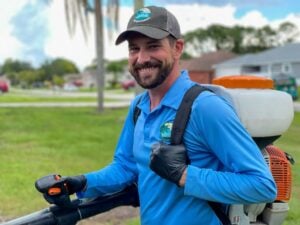
Operators searching for guidance are increasingly working with specialists rather than generic exterminators. The pest control experts at Native Pest Management(opens in new tab) represent this shift toward providers who build treatment plans around a building’s specific residents, structure, and pest pressure instead of applying a one-size-fits-all chemical schedule. That distinction matters enormously in a memory care wing or a shared dining hall where airborne chemical exposure carries different risks than it would in a single-family home.

The Shift Toward Eco-Friendly Pest Control: Why Senior Living Communities Are Changing

Three forces are pushing this change simultaneously. First, regulatory bodies overseeing long-term care facilities have tightened rules around chemical use in shared living spaces, particularly near dining areas and resident rooms. Second, families and residents themselves are asking more pointed questions about what gets sprayed in the building, a shift mirrored in broader consumer behavior. Third, the pest control industry itself has matured, offering products and methods that simply did not exist in mainstream use a decade ago.

According to Pest Control Market 2026 to 2034, the industry is moving decisively toward botanical-based, organic, and biopesticide formulations as regulatory tightening and environmental concerns push traditional pesticides out of favor. This is not a niche trend confined to residential gardeners. It is reshaping how commercial contracts, including those serving assisted living and skilled nursing facilities, get written and priced.

Integrated Pest Management (IPM) and Botanical Solutions Leading the Way

Integrated Pest Management has moved from an optional add-on to the default framework many senior living operators now require in their vendor contracts. IPM prioritizes prevention, sealing entry points, managing moisture, and removing food sources, before any chemical treatment is considered. When treatment is necessary, botanical and organic-derived products increasingly replace synthetic pesticides, particularly in areas with high resident contact like dining rooms, common areas, and private suites.

This matters practically because residents in communities offering assisted living often spend the majority of their day within a single building, unlike a typical homeowner who might be away during a treatment window. Reduced-toxicity approaches lower the risk of respiratory irritation or skin reactions in a population where such reactions can complicate existing health conditions. Facilities that have adopted IPM report fewer resident complaints and easier compliance with health department inspections, since documentation of a prevention-first approach tends to satisfy regulators more readily than a simple spray log.

Technology and Monitoring: Smart Systems Enhancing Resident Safety

Alongside greener chemistry, the tools used to detect pests have gotten noticeably smarter. Sensor-based monitoring stations, remote-reporting traps, and data-driven inspection scheduling now allow pest control providers to catch activity early, often before a single resident notices a problem. This precision approach reduces the need for blanket treatments because technicians can target the exact location and pest species involved rather than treating an entire wing preventatively.

Precision methods also generate records that facility administrators can show families and inspectors, turning pest management from an invisible background task into a documented, defensible part of resident care. Adoption of these monitoring systems is accelerating quickly across the professional pest management industry, and senior living operators are among the commercial clients pushing hardest for it, given the higher stakes involved in caring for older adults with fragile health.

Metric Figure
U.S. pest control market growth $22.7 billion (2022) to $29.1 billion by 2026, 5.7% CAGR through 2032
Homeowners seeking eco-friendly alternatives 92% (2024-2025)
Organic pest control product market by 2027 $6.4 billion, 12.3% CAGR
Precision pest management adoption by 2025 35% of professional practices
Healthcare sector trend Increasing adoption of non-toxic pest management for sanitary conditions

What This Means for Senior Living Facilities Going Forward

For administrators, these shifts mean pest control is no longer a line item negotiated purely on price. Contracts increasingly specify product types, application methods, and reporting frequency, reflecting the same scrutiny families apply to medication management or dietary accommodations. Facilities that lag behind on eco-friendly adoption may find themselves at a disadvantage when families compare options, especially as awareness of chemical exposure risks continues to grow among adult children researching care for aging parents.

For families and residents reading through New LifeStyles listings, it is worth asking any prospective community directly about its pest management approach, not because pests are common, but because the answer reveals something about how seriously a facility takes resident health in the less visible corners of daily operations. A community using integrated, low-toxicity methods with modern monitoring is signaling a broader operational philosophy that likely extends to other areas of care as well. As the market keeps moving toward greener, smarter pest management, that question is becoming a small but meaningful part of a much bigger decision.

How to Install Grab Bars and Home Safety Features for Seniors

Ensuring the home environment is safe for seniors reduces fall risks and helps them maintain independence in the familiar surroundings. Bathrooms, staircases, bedrooms, and entrances often require special attention due to potential differences in floor levels or slippery surfaces. Such conditions can be improved using grab bars and other safety accessories that should be installed correctly. The process begins with identifying the individual needs of the elder and studying the characteristics of the structures where safety equipment will be mounted. 

Choose Suitable Grab Bar Locations

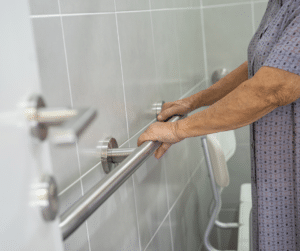
Bathroom grab bars are a particularly important type of home safety feature because of the potential for floors and other surfaces to become slippery when wet. As such, a grab bar can be installed on the side of the toilet, just outside and/or inside a bathtub or shower, and on the inside of the shower itself. It is important to choose a height and distance that the person can reach while keeping their balance and being able to move around the space. Consider whether the person needs help standing up, sitting down, standing over the tub, or any other activities.

It is crucial that grab bars are installed on a strong enough mounting surface for their load capacity and intended use, rather than just a standard screw-in location such as a stud in a drywall. This might involve strengthening the mounting surface or choosing the right hardware for a softer surface such as drywall behind a tile wall. Likewise, the bar should be able to bear a person’s weight and should not pull out when pulled at an angle. Suction-style bars can be useful in some limited circumstances, but they should not be relied on to bear full body weight.

Install Grab Bars Correctly

It is essential to examine the wall composition and find the right place to install grab bars. A stud finder, measuring tape, drill and other tools might be needed for the installation, which can be expedited with power tools. The wall material and its structural components will need to be taken into account when choosing the location and mounting method for the grab bar. Where the wall structure itself is not strong enough to bear the person’s weight when pulling on the bar, reinforcement might be needed by working on the interior side of the wall and using appropriate tools or hiring the help of a professional.

Once a location has been chosen, the bar must be placed and mounted at the right height. A level can be used to mount the bar straight, and the right hole punch can be marked once in place. Drilling and mounting hardware can be used to secure the bar in place, taking care to avoid damaging surfaces, other utilities, and ensuring a snug fit that will be able to withstand pressure. If the mounted bar is shaky or pulls away from the wall when tested, it should be removed and reinstalled if possible. When in doubt about the wall structure or installation in general, professional help is the best option in order to ensure a safe and stable grab bar mount.

Improve Bathroom Safety

Grab bars are only one of many safety accessories that can be mounted in the bathroom. First of all, a non-slip mat or special anti-slip floor covering should be installed to prevent slips on wet surfaces. In addition, a handheld shower can alleviate the need to step over the bathtub, and a shower chair will allow sitting while washing. Another essential accessory is a raised toilet seat or a special safety frame to aid when sitting on or getting off the toilet. 

Another critical point is related to the bathroom’s lighting. It is essential to minimize the number of hazardous shadows and ensure that the elder can see the entire bathroom. It is optimal to install additional lights above the bathroom and in the bedroom leading to it. In addition, night lights can be beneficial if the person needs to visit the bathroom at night. Towels and other personal hygiene items should also be within the elder’s reach. Moreover, the bathroom should have adequate ventilation to reduce the risk of mold, rot, and general dampness. Resources such as rona.ca can also help homeowners identify common home improvement materials when planning safety upgrades, although specialized accessibility installations may require professional guidance.

Address Other Fall Hazards

It is vital to minimize the risk of falls in other areas of the home. First of all, loose rugs should be removed, and thick mats should be secured to prevent them from slipping. Furniture and electrical cords should also be moved away from the walking path. In addition, the areas with potential fall risks should have adequate lighting. For example, staircases need to have handrails and be illuminated, with lights that can be turned off from both sides. If the entrance to the house has steps, they should also be secured with handrails and anti-slip covers. For some elders, night lights in doorways and enhanced insulation can also be helpful. 

When it comes to the bedroom, it is vital to leave a clear passage to the bathroom. In addition, personal hygiene items and other frequently used objects should be within reach. The bedroom must also have sufficient lighting, and the bed must have a firm mattress to avoid additional injuries. Moreover, the resources listed below can provide more ideas for home safety, although some projects may require professional intervention. 

Check And Maintain Safety Features

The equipment installed in the home should not be left uncontrolled. It is essential to routinely check grab bars for stability and integrity of the mounting site. Cracks or rot in drywalls or other structures around the bar are also worth considering. Non-slip mats and floor coverings should also be inspected for defects and potential wear and tear.

One of the best ways to check the safety of the home is to take a tour while being in the elder’s body. Pay attention to the places where they have to reach out, bend down, step forward, and sit. It is vital to secure each potentially dangerous spot, remembering that every additional accessory does not guarantee safety. On the contrary, the wrong location of the grab bar, for example, makes it unusable. The correct choice of power tools and their proper installation helps minimize the risks without causing additional discomfort to the senior.

Conclusion

Mounting grab bars and other safety accessories is not enough to ensure the home environment’s safety. Although such devices are critical, their optimal location depends on the individual needs of the elderly and the characteristics of the structure. Secured mounting, additional lighting, and minimizing loose objects and slippery surfaces are also vital. A professional installer can offer more advice and tackle complex jobs requiring advanced skills.

How to Have a Happy Marriage After Retirement

As you approach retirement, you and your partner may enter a new phase of life that can be exciting but also challenging. Your daily routines will change, and you’ll have more time to spend together. For some, this new freedom is joyful, while others may face unique challenges that need attention.

Imagine sitting on the porch, remembering the past and thinking about the future. This image of togetherness can be beautiful, but it often takes effort to keep your relationship strong. Good communication, shared interests, and handling this transition together are vital for a happy marriage in retirement. Here are some ways to build a happy marriage after retirement.

Communication

Open and honest communication is the foundation of a strong relationship. During retirement, you may spend more time together than ever, which can bring both joy and frustration. It’s important to talk about your feelings and expectations. Discussing how you want your retirement to look can help you stay in sync.

Set aside time for regular conversations. This doesn’t have to be formal; it can happen over coffee in the morning or during a walk in the evening. These moments let both of you share your thoughts and feelings. Listening to each other is just as important. Make sure to understand each other’s views, which helps build trust and emotional closeness.

Couples Counselling

Couples often face tough challenges. Couples counselling Vancouver can help. It creates a safe space for both partners to share their feelings and solve problems together. Counselling promotes understanding and helps improve communication.

A counsellor provides tools that strengthen relationships, leading to deeper connections. Think of it like giving your marriage a tune-up to keep it running well. Many couples find that counselling makes them more resilient, so they can address issues before they become bigger problems. It can also lead to personal growth and a renewed appreciation for each other, benefiting the marriage overall.

Shared Activities

Retirement gives you plenty of chances to explore shared interests and create new experiences together. Whether it’s gardening, cooking, travelling, or starting a new hobby, find activities you both enjoy. This is a great time to try things you didn’t have time for during your working years.

Think about taking classes together, joining community groups, or volunteering. Engaging in shared activities brings joy and sparks fun conversations. This keeps both partners interested and helps you connect in new ways. Remember to celebrate these small achievements together. They create lasting memories and deepen your appreciation for one another.

Flexibility

Being adaptable is important during retirement. Life can change suddenly, and being flexible can reduce stress. Adjusting to new routines takes time, and that’s okay. When routines change, or unexpected events occur, it can create tension. However, being open to change and discussing it together can help keep balance.

Support each other’s personal interests as well. If one person wants to travel or try a new hobby, encourage them. Allowing space for each other’s growth builds respect and strengthens affection. This flexibility creates a supportive environment that shows in all parts of your life together.

Quality Time

Spending time alone together can help revive the spark in your relationship. Plan regular date nights or special outings to focus on each other. These don’t have to be elaborate. A simple picnic at the park or a movie night at home can improve intimacy.

Quality time also includes everyday tasks. Cooking together or gardening can turn ordinary moments into special ones. The key is to be present and enjoy the time together, which strengthens your emotional bond.

Gratitude and Appreciation

Showing gratitude can greatly improve your marriage. A simple “thank you” can make a big difference. Make it a habit to recognize the small things: completing chores, cooking meals, or simply being there for each other. This practice creates a positive atmosphere and boosts happiness for both partners.

Practicing appreciation changes your perspective. Instead of focusing on what’s not perfect, celebrate successes and acknowledge efforts. Over time, this builds a more satisfying partnership where both people feel valued and respected. Nurturing your relationship with intention is essential during retirement. Embracing communication, flexibility, and appreciation can bring new life to your marriage, making your golden years truly shine.

How to Deal with Back Pain for Seniors

Back pain is common for seniors. It can affect how they move, do daily activities, and feel happy. This pain may come from aging, past injuries, or normal life stresses. Many people experience this issue, which can impact different parts of life. That’s why it’s important to manage it well. Learning how to handle back pain is essential for staying independent and active as you age.

Dealing with back pain can be tough, but there are effective ways to cope. With self-care and professional help, seniors can find relief and regain their strength. Here are some tips to manage and ease back pain.

Comfortable Posture

Good posture is important if you have back pain. It helps reduce stress on your back and spine, which can prevent more pain. Pay attention to how you sit, stand, and move. When sitting, make sure your lower back is supported. Choose chairs with good support and keep your feet flat on the floor.

When standing, balance your weight on both feet. Strengthening your core through exercises can also support your back. Activities like tai chi and yoga can improve your balance and flexibility, which help your posture.

Physiotherapy Clinic

Visiting a physiotherapy clinic Toronto is a great option for seniors struggling with back pain. Physical therapists know the body’s mechanics and can create treatment plans based on your needs. Their expertise allows them to give you specific exercises and stretches to help reduce back pain.

A physiotherapist can teach you how to move correctly, ensuring you’re using the right muscles and avoiding further injury. They often use different methods, like manual therapy, ultrasound, and heat or ice, which can provide significant relief. Working with a physiotherapy clinic can empower you, giving you the tools to take charge of your back health.

Gentle Stretching

Gentle stretching can really help seniors with back pain. It improves flexibility and can relieve tension in tight muscles. Adding simple stretches to your daily routine can boost blood flow and lessen discomfort over time. Stretching helps make muscles longer and can prevent injuries.

Many seniors find that spending a few minutes each day stretching makes a big difference. Focus on your back, hips, and hamstrings since these areas often hold tension. You might also want to learn specific stretches from a physical therapist or a local class for seniors to ensure they are safe and effective.

Activity Levels

Staying active is key to managing back pain. Although moving may feel hard during painful times, it helps keep your strength and function. Choose activities that won’t make the pain worse but will keep you involved. Walking is a common suggestion because it is easy on the body and good for your heart.

Water activities are very beneficial too. Swimming or water aerobics reduce pressure on your joints while giving you a light workout. The water supports your body, making it easier to move without pain. Regular activity helps keep your muscles strong, which is important for your back health.

Hot and Cold Therapy

Using hot and cold therapy is an easy way to manage back pain at home. Heat therapy, like heating pads or warm baths, can relax tight muscles and increase blood flow to the area. Heat helps muscles that are tense from stress or strain feel better.

Cold therapy is helpful for reducing swelling and numbing sharp pain. You can wrap ice packs in a towel and place them on the painful area. Many people find that switching between heat and cold provides the best relief. Try both methods after your physiotherapy sessions to see which one works best for you.

Balanced Nutrition

Eating a balanced diet can help manage back pain. Foods that fight inflammation, such as fatty fish, leafy greens, and nuts, may reduce discomfort. Drinking enough water also supports overall health, helps muscles recover, and keeps them flexible.

Adding calcium and vitamin D to your meals is important for bone health, especially for seniors. Strong bones provide better support for the back, which may lower the chances of pain. Talk to your healthcare provider to adjust your diet to fit your needs.

Managing back pain is important for overall well-being in seniors. With the right methods and support, you can feel more comfortable and enjoy daily activities.

Downsizing After the Kids Move Out: What to Actually Keep

The house that made sense for a family of four or five starts to feel different once the kids move out. Rooms that were always in use sit empty most of the year. A yard that once needed constant attention becomes more upkeep than anyone wants. For a lot of empty nesters, downsizing is not really about needing less space. It is about not wanting to maintain space they are no longer using.

The hard part is rarely deciding to downsize. It is deciding what stays.

Separate Sentimental From Useful

Every home accumulates two categories of belongings that get confused with each other: things that are genuinely useful and things that carry emotional weight. A set of dishes used every week is useful. A box of a grown child’s grade school art projects is sentimental. Both matter, but they need different treatment.

Go through the home room by room and sort into three groups: keep, offer to the kids, and let go. The middle category matters more than people expect. Adult children often want specific items, but rarely want everything their parents assume they want. A quick conversation before deciding what to keep “for them” saves a lot of unnecessary storage and guilt later.

Think in Terms of the New Space, Not the Old One

A common mistake is deciding what to keep based on what fit the old home rather than what will fit the new one. A dining table that comfortably seated eight does not make sense in a home built for two, no matter how many memories are attached to it.

Measure the new space before making final decisions. Walk through it, if possible, and picture specific furniture pieces in specific rooms. This turns an abstract decision, what to keep, into a concrete one, will this actually fit and get used here.

Digitize Before You Discard

Photo albums, kids’ school records, old home videos, and paperwork tend to be the hardest category to part with because they feel irreplaceable. They also take up a disproportionate amount of boxes relative to how often they get looked at.

Digitizing photos and important documents before the move solves this. The physical space gets freed up, and the memories are preserved in a form that is actually easier to access and share, especially with kids who are now spread across different cities.

Give Yourself More Time Than You Think You Need

Downsizing a full family home takes longer than people budget for, mostly because of the decision-making, not the physical packing. Starting the sorting process weeks or months ahead of the actual move, rather than compressing it into a single weekend, results in far fewer regretted decisions and far less last-minute overwhelm.

When the move itself is ready to happen, having a crew that understands downsizing moves, not just standard household relocations, makes a difference. Movers USA works with empty nesters regularly enough to know that these moves involve more decision fatigue than logistics difficulty, and crews that are patient with last-minute changes tend to make the day go smoother for everyone involved.

The Goal Is a Home That Fits, Not Just a Smaller One

Downsizing done well results in a home that fits the life being lived in it now, not a smaller version of the life that used to happen in a bigger one. Keeping that distinction in mind while sorting through decades of belongings makes the process feel less like loss and more like making room for what comes next.

How to Spend Meaningful Time After Retirement

Retirement brings many new opportunities that people often look forward to. Suddenly, you don’t have to wake up to an alarm or juggle a busy schedule. This freedom lets you explore new interests and pursue your passions. Whether you spent years in one job or had different roles, retirement offers a fresh start to enjoy life. The challenge many soon-to-be retirees face is how to spend their time meaningfully.

Leaving a structured job can feel both exciting and daunting. There are many activities you can enjoy, like volunteering, travelling, pursuing hobbies, or spending time with family. Each of these choices can enrich your life, help you connect with others, and allow you to give back to your community.

Let’s learn how to spend meaningful time after retirement.

Food Bank Donation

Helping at a food bank is a rewarding way to spend your time after retirement. Food banks rely on volunteers, and by giving your time, you help make a difference for those in need. Tasks like sorting donations, helping with food distribution, or organizing meals can be fulfilling.

A food bank donation supports your community and shows you the challenges some people face. You might arrive to volunteer feeling purposeful, but leave inspired by the stories of people’s resilience. Working with others at the food bank can create a sense of community and shared humanity.

Volunteering Opportunities

Volunteering provides rewarding experiences that are often fun and educational. Many retirees find happiness in sharing their knowledge and skills with others, whether that’s mentoring young people, tutoring students, or helping local charities. This act of giving can bring a sense of purpose and community back into your life.

Joining a volunteer organization can help you meet people with similar interests, making your community feel more lively. Sharing experiences with others who are passionate about the same causes can lead to personal growth and new perspectives. Plus, staying active through volunteering keeps you engaged, which is important for a satisfying retirement.

Travel Adventures

Traveling after retirement can be exciting. With fewer responsibilities, you can explore at your own pace. Whether it’s a quick weekend trip or a longer journey, travel lets you fulfill dreams or satisfy a sense of adventure. Experiencing new cultures, meeting new people, and tasting local foods can enhance your life.

Planning trips can also be a fun activity. Researching destinations, making travel plans, and even learning a new language can fill your days with excitement. Sharing travel experiences with family or friends can create lasting memories.

Hobbies Rediscovered

Retirement gives you the time to pursue hobbies you might have set aside while working. Whether it’s painting, gardening, photography, or woodworking, having time allows you to explore your interests without pressure. Engaging in hobbies can stimulate your mind and spark creativity, giving you an outlet for self-expression.

You can join local clubs or take classes to meet others who share your interests. You might discover a nearby art class, participate in community gardens, or even connect with photography groups online. This shared experience often leads to personal achievement and new friendships.

Fitness and Wellness

Staying active is crucial for a happy retirement. Regular physical activities, like brisk walking, yoga, or dance lessons, keep your body and mind healthy. Trying new exercises can be refreshing, and many communities offer classes designed for seniors that make working out enjoyable.

Wellness includes more than just physical fitness; mental health matters too. Activities like meditation, journaling, or learning a new instrument help keep your brain active. Surrounding yourself with positive people, practicing gratitude, and living a healthy lifestyle can greatly improve your retirement experience.

Family and Friends Time

Retirement is a great time to reconnect with family and friends. Spending time with grandchildren, hosting family get-togethers, or nurturing friendships adds joy to your life. Organizing family game nights or movie marathons helps strengthen these connections and create lasting memories.

Staying in touch with friends is also important. You might want to revive old friendships or make new ones. Shared meals, outings, food donation, or simple coffee chats allow for meaningful conversations. Just being there for loved ones can be one of the most rewarding ways to spend your time.

There are many exciting possibilities after retirement. Embrace this new chapter of your life with confidence. With the right mindset, you can create a life filled with meaningful experiences, connections, and joy.