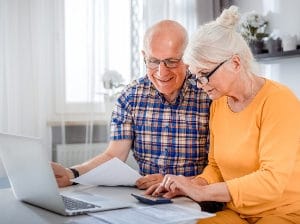
8 Strategies for Caregivers to Reduce Fatigue and Avoid the Burnout

by: Susan Ashby

You have become a caregiver. It may be a temporary need for help, or it may be a permanent situation. As a family caregiver, you have chosen to take on the responsibility for another person, and that decision comes with many stresses—especially if the senior you are caring for has dementia.

So, what is your first priority? Taking care of yourself! This may seem counterintuitive, but you will not be a help to anyone else if you are not healthy yourself. This includes mental and emotional health, as well as your physical health. The following 8 strategies will help you:

1. Research. The more you know about the cause for the need of a caregiver, the better prepared you will be to anticipate your senior’s needs. If the person has had a stroke, the emphasis may be on recovery of function, or adaptive equipment, or speech and physical therapy. You will need to know how to assist them toward being as independent as possible.

If the senior you care for has dementia, it is important that you know what the stages of dementia are and how to deal with each. Dementia is progressive, and you will have to be able to adapt to the changes that continue to occur over time. It is helpful to know what to expect, and you might want to think about how much you feel you can handle. There may come a time when professional help will be needed on a full-time basis.

2. Family help. Enlist other family members to help also. Some members of the family may be able to step in for you and care for your senior while you are gone  for a day or more. Others may not be comfortable with sole responsibility. Still, just a visit will give you the chance to read a book, watch a movie, or take a nap. You would still get a break, and he knows you are there if he needs you. Don’t forget the teen grandchildren. They could pick up groceries or mow the lawn, as well as visit with their grandparent.

3. Friends. Don’t neglect your own friends. Those relationships provide you with a break from caregiving. Even if you can only be gone for a few hours, that is time for a lunch date, a walk in the park, or a kayak outing. If your friends offer to help, take them up on the offer. Even if they don’t want to provide physical care for your senior, they may be willing to take Mom to her dentist appointment, clean up the flower beds, or help you with cleaning the house.

4. Meals. Ask each member of the family to make an extra serving of dinner each week and put it in a microwavable container. Then Dad can just pop it in the microwave and have a hot dinner every night. Friends can help with this also. If that isn’t going to work, enroll Dad in Meals on Wheels. Then a hot meal will be delivered each day.

5. Respite. At some point, you will need to use a professional service to be with your senior. You may get sick yourself and not be able to be with your senior, or you might have a scheduled event that you want to attend and no one in the family is available to step in. It is a good idea to have a relationship with a service that provides senior care before you need it. Have them care for your senior while you go out for a couple hours so that they can establish a relationship with your senior. Ease your senior into the idea of a professional caregiver being with them so, when you really need the senior caregiver, it is less stressful for both you and your senior.

6. Caregiver health. Don’t neglect your own health. Continue your routine checkup with the doctor and dentist. Get your flu shot every year. Make time to exercise and maintain healthy eating habits. Try new methods of stress relief like meditation, yoga, or Tai Chi. There are YouTube videos on all of these.

7. Legal and financial. Questions about your legal and financial rights and responsibilities need to be addressed as soon as possible. This is especially true in the case of dementia caregivers. You will need to be reimbursed for expenses incurred on behalf of your senior. In the case of medical care, your senior retains the right to decide for themselves unless they have been deemed incompetent. If the senior has named the person they want to take on the role of health care or financial care, that legal responsibility may have to be activated before those named can act in the role. The sooner you can address these issues, the less stress they will cause you as a dementia caregiver.

8. Find a confidant. You need to have a person you trust that you can vent to, share with, and receive support from. This could be a friend or a relative, or you may choose to remain anonymous and go to an online chat line for caregivers. These will be people who are sharing similar experiences and can give encouragement, suggestions, and support in a non-judgmental format. It can be a great stress relief to know that you are not alone and that lots of other people are dealing with the same problems as other in-home caregivers.

Taking care of yourself is so important for both you and the person you care for. Don’t ever feel selfish when you take time for yourself. You can’t be a good caregiver if you are not healthy in mind and spirit. Caregiving, especially for someone you love and are close to, is rewarding and a privilege. However, it can also be challenging and exhausting at times. Hopefully, these tips will help you to deal with the difficult times and maximize the gratifying times as a caregiver.

What Are Medicaid Waivers

Answering Questions on the Medicaid Waiver Program

by: Matthew Boyle

As we age, our ability to perform day-to-day tasks weakens, in fact, some individuals require the help of an assisted living facility or caregiver in order to perform these daily functions. Unfortunately, the cost of assisted living, nursing homes, and caregivers can add up and in some cases, individuals cannot afford the type of care that they require.

With that said, there are options available for you or your loved one if you do need this type of care. For example, there are Medicaid waivers available in many states to help patients get the type of quality care that they deserve.

Understanding What a Medicaid Waiver Is

For those with limited financial resources, Medicaid helps some individuals pay for nursing homes. For people wishing to live at home or an assisted living facility, Medicaid will sometimes pay for care in some of these locations if it can be done at a lower cost than a nursing home.

Assisted living waivers are done in many states across the country, including Texas. These waivers help individuals qualify for a nursing home can often receive the same level and quality of care in an assisted living residence at a lower cost.

A Medicaid waiver is meant for people with limited financial resources, Medicaid helps pay for nursing home care. There are a number of different types of waivers depending on which state you are in. For example, in Texas, STAR+PLUS is in place to help disabled adults and Texans aged 65 and older that require nursing facility level of care. Under this waiver, both medical and non-medical long-term care services are covered.

Who Is Eligible for Medicaid Waivers?

Eligibility for these types of waivers is dependent on what the requirements are for each state. With that said, many of the requirements are fairly consistent. In Texas, for the STAR+PLUS, there are functional and financial requirements for receiving this type of waiver.

Candidates for a Medicaid waiver in Texas must have a need for services that are typically provided in nursing homes. Essentially, this means that people who are unable to properly manage day-to-day activities without assistance, some of these individuals may even require around-the-clock medical supervision that caregivers or assisted living facilities can provide.

Again, in order to qualify for this type of a Medicaid waiver, there are financial restrictions. The monthly income limit for an applicant for STAR+PLUS from Texas Medicaid is just over $2300. The income limits become more complicated for married applicants.

The Benefits of Local Medicaid Waiver Programs

Again, to fully understand the benefits and details of a waiver program, you need to look at your program that is offered in your state specifically. For the STAR+PLUS waiver program in Texas, there are a number of different services and benefits that are offered. Some of these benefits include:

Some long-term care and support services include things like helping people in your home with basic day-to-day activities, short-term care to give caregivers a break, help with getting tasks done, and more.

How to Apply for Medicaid’s Waiver Program

All of this is great and useful information, but what are the next steps? How do you apply to get these types of Medicaid waivers?

These Medicaid waiver programs are available statewide in most states across the nation. Generally, these programs have a website to learn more about the details of the services offered. For example, the STAR+PLUS website has much more information about specific services that are offered and eligibility requirements.

After you apply, if you are accepted and approved for STAR+PLUs, you will get a packet in the mail that will tell you about the program and the medical plan options in your area. You will have 15 days to pick a medical plan

Overall, aging causes many problems and can lead to an inability to perform necessary day-to-day activities. When this happens, it is important to seek out resources like assisted living facilities or caregivers to help keep you or your loved one safe during this period. Assisted living programs can help provide your loved one with access to medical care and other services like memory care to help with any disorders, problems, or ailments that they may have. Moreover, many assisted living facilities can provide residents with access to social activities to keep them healthy during this period of their lives as well.

About The Author

Matthew Boyle is the Chief Operating Officer at Landmark Senior Living, a series of top-rated senior living communities in the Midwestern United States. He has been working in the healthcare space for 7 years and graduated from Duke University in 2011 Summa Cum Laude. Guided by a relentless pursuit of excellence, Matthew and the team at Landmark are dedicated to creating a supportive environment for the elderly.

Why Self Care for Caregivers Is So Important

Caregiving can take a toll on you, both mentally and physically. It is all too common to lose sight of yourself while spending most of your time dedicated to your patients. Although this will bring an immeasurable amount of joy into your life, it can simultaneously begin to have subtle adverse impacts on your wellbeing.

LIFE IMPACTS

Like most jobs, being a caregiver will naturally impact your daily life in many ways. However, unlike most jobs, the impressions can be slightly more severe on your lifestyle and wellbeing. Below we discuss what you should keep in mind as you go through your day to day while caregiving.

Stress

One of the main impacts caregiving can have on a person, is stress. Stress can filter into many aspects of your life, and for that reason many struggle to keep it under control. Stress can affect your mind, body and behavior and leaving stress unchecked in these areas can be dangerous. When left untreated it is all too common to develop issues such as racing thoughts and constant worrying which often cause insomnia. Luckily, there are many ways to address these issues such as holding open conversations with your primary care provider or trying out stress-relieving activities like meditation.

Healthy habits

Healthy habits tend to go by the wayside when caring for your recipient. From your sleep schedule being interrupted, to not having enough time to exercise, it can become extremely easy to lose yourself in the patients schedule. Unhealthy snacking is also fairly common. An easy way to avoid eating unhealthy is setting time aside on Sundays to pre-plan your meals and pre-package your snacks. This will allow you to avoid the desire to stop at McDonalds for lunch, as your meal will be waiting for you in the fridge, fully prepared!

HOW TO GIVE CARE TO YOURSELF

You can not pour from an empty cup. With caregiving, it’s detrimental for both you and the patient that you take care of yourself first. When you are feeling 100 percent, you’re able to provide your loved one or client with the best possible form of care. Take a step back in your busy schedule and look in the mirror, are you the best possible version of yourself?

Take time for yourself

Caregivers lives can become consumed by their time devoted to checking in on their patients well-being. Their self-care is easily pushed to the side, and left to deal with at another time. Spoiler alert; that time rarely comes. Sectioning out time to specifically focus on yourself is crucial, however sticking to that timetable is even more paramount. Go for a run in the morning or try reading a book before bed. Be sure you stop and do something for yourself throughout the week, and you will see changes in your overall mood and wellbeing.

Visit the doctor regularly 

Your life is filled with doctor visits, organizing medication, and physical therapy. All very beneficial health check-ins. However, as a caregiver, none of it is for you! With the amount of time you spend in a doctors office, you would think caregivers have a better handle on their health, yet they suffer from poorer physical health than their non-caregiving counterparts. Scheduling an annual doctor’s visit is a great place to start when it comes to putting your health at the forefront. Once that becomes habitual, healthy habits will ultimately follow.

To take a look at alternate options from at-home caregiving, refer here!

Seniors & Food: Foods for Healthy Brain Function and Reduced Inflammation.

Maintain muscle, fight inflammation and improve brain function with a few simple additions to your diet. 

Here is a list of foods that pack an energy punch as well as help reduce inflammation in your body and boost your brain function. A perk of each of these foods is that they are needed only in small amounts and will not alter any specific diet you may be on such as low-sugar for diabetes or a heart-healthy diet.

1. Chia Seeds

Chia seeds are little power packs of energy. They are also high in fiber which is great for bowel and heart health. These tiny seeds were consumed by the Mayans and Aztecs thousands of years ago because they help with stamina. They were carried along on hikes through the mountains because just one handful can provide a meals-worth of energy and nutrition. Chia seeds are packed with protein, fiber, antioxidants and many vitamins and minerals including calcium and iron.

Sprinkle chia seeds on your morning eggs or lunch salad to give you an extra boost for your afternoon walk. You can also purchase ground chia seeds to add to a nutritional shake. 

2. Spirulina

There are so many benefits to this superfood from the ocean, we cannot even list them all here! When it comes to overall health, you cannot go wrong with adding a spirulina supplement to your day!

Spirulina is a blue-green algae which grows in the ocean. It is full of antioxidants, protein and energy boosting properties. This will give you energy and resiliency during your day, while improving your overall health and vitality. Spirulina is easy to take in tablet form, or via powder added to any shake or smoothie. 

 3. Turmeric

Turmeric is well-known for it’s many health benefits. From healing a sinus infection to soothing skin irritations, it’s a homeopathic wonder treatment!  Turmeric is a powerful fighter of inflammation. Ease those stressed muscles and tendons, while also easing the inflammation in your joints by adding this ancient spice to your diet every day. The anti-inflammatory properties of turmeric may help reduce inflammation in the brain, improving cognitive functioning as well.  Add turmeric to soups or sprinkle on eggs, or consider mixing up some “golden milk” which combines almond milk, honey and turmeric for a super-healthy, inflammation fighting drink. 

4. Apple Cider Vinegar 

Vinegars fight inflammation. Not only will it help your body recover after exercise, it will boost your metabolism for improved energy. Add apple cider vinegar to your diet by making your own salad dressings by blending the vinegar and oil, or add extra vinegar to a store bought dressing.

A quick vinegar treatment is to create a “shot”. Add one tablespoon of apple cider vinegar to a small glass, add about two tablespoons of water and a small drizzle of honey to make it more palatable. Drink it quick and make sure to follow with more water. Vinegar is a prebiotic which will benefit your stomach, protect you from over-growth of candida and offers many other health benefits. Purchase apple cider vinegar which says “with mother” on the label to ensure an unfiltered, unpasteurized product with more health benefits. 

A helpful hint: Vinegar will fight foot fungus by creating an acidic environment where fungus cannot grow. Use a cotton ball to dab vinegar onto toenails and in between toes before putting on socks and shoes. Your sweaty feet will no longer be paradise for foot fungus. 

5. Egg Yolks 

We were told for years to avoid the yolk due to cholesterol and fat. Now we know better. Fat is essential. Recent research has proven the cholesterol in the yolk to not be bad as once thought because it is all natural fats, not synthetic stuff in processed foods that you should be avoiding. Cholesterol has also been proven to be a major player in building and maintaining muscle. Muscle atrophy is a concern as we age. The egg yolk is here to help!

The yolk of an egg contains all the amino acids necessary to build muscle. Full of vitamin A, B12, D, protein and riboflavin, the yolk is essential for muscle building. The yolk contains about half of the protein in the egg. The fat in the yolk is exactly what men need to keep testosterone levels at a performance level. Also, the fat in egg yolk is a healthy fat which human needs to maintain proper brain function. Just like fish oils, the fat in egg yolk is natural and easily absorbed by our bodies to aid all our processes. 

So, stop ditching the yolk! If you are trying to stay within a certain macros range with fats, yet want to consume all the goodness the yolk offers, try this: for every two eggs you eat, keep just one yolk.

6. Coconut Oil, Coconut Flakes

Healthy fats, such as coconut oil digest slowly and keep you feeling full longer. This is beneficial when you are sticking to a meal plan that compliments your healthy lifestyle. Coconut oil is made of medium-chain triglycerides (MCTs), which means they are absorbed more quickly by your body than fats from animal or daily products. These fats are used for energy at a cellular level soon after consumption. More energy in your body means better stamina throughout the day. MCTs are not as likely to be stored on your body as fat due to the fact your body can burn them efficiently during your workouts. 

Coconut oil also fights inflammation, has fewer calories than other fats and helps control drops in blood sugar. This oil is easy to add to your diet by simply replacing other fats such as butter and olive oil, or by cooking with a combination of coconut oil and other healthy fats. 

You can also purchase flaked or shaved coconut (unsweetened) to sprinkle on salads for added texture and exotic flavor. 

Coconut oil is very healing for your skin, so consider keeping a small jar of it in your gym bag to rub on chaffed or dry areas. 

7. Berries

Antioxidants are essential for our bodies repair and restore. Fruits and vegetables are the best sources of antioxidants however, fruits are often high calorie. Depending on your dietary goals you may be watching sugars very closely. 

Berries are often the sweetest, yet lowest in sugar of all the fruits. Most berries are loaded with nutrition and can be a fantastic treat for those of us who are always watching our diet and denying ourselves any sweets. A handful of berries can be dessert or a touch of sweetness blended into a healthy smoothie, added to oatmeal and sprinkled on cereal. 

These simple food additions to your day, can reap huge rewards over time.

By boosting your energy and your body’s ability to repair, you will be able increase stamina and brain function. 

How Pedometers Can Encourage Exercise in Your Senior Residents

Walking is one of the simplest and easiest ways to stay active, and with a low risk for injury, it’s a great option for seniors looking to improve their physical health. But how much should one walk to really see a significant difference in their health? While the number does vary from person to person depending on physical capabilities and their personal goals, a good number to shoot for when beginning to incorporate more walking into daily life is 10,000 steps per day. A great way to keep count? By using a pedometer.

After the American Heart Association released a recommendation for the average, heart-healthy individual to take 10,000 steps per day (roughly covering about 4 miles), the American public began to document and record their daily steps, thus resulting in an introduction of many new-fangled, fancy pedometers. They do everything from monitoring heart rack to counting calories to allowing users to navigate their walks with GPS systems. While these “smart watches” and “fitness trackers” can be a little intimidating, and not to mention expensive, they do what a basic pedometer does, but on a higher, more technologically advanced level. Yes, they look nifty, but they aren’t necessary to boost your activity. A simple pedometer and a daily goal is all a senior needs to step up their step count.

Ways to Add Steps to Daily Routine

1. Take walks in the morning and evening. A brisk ten minute walk around the block can add around 1,000 steps and boost circulation, increase the heart rate, and even improve the mood.

2. Make your bed daily. Walking from one side of the bed to the other to tuck in corners and fluff pillows can add up 300 or more steps easily!

3. Take steps during the commercials of your favorite TV shows. You can do this by stepping side to side or walking in place, and after an hour-long program, you’ll be impressed with how many steps you added up.

4. Consider a standing desk. If you like to spend time on the computer, think about investing in a standing desk. You’ll find yourself naturally shuffling from foot to foot as you stand there, logging steps all the while.

5. Find a buddy. Taking daily walks will help you achieve your step goal, and asking someone to join you on your walks will help pass the time. You’ll improve your health, and your friend’s as well!

17 Ways To Make A Home Safe For Seniors

by: Natasha Woods

Most people think about aging and picture themselves retiring in a safe home that they love. Research has found that 87% of seniors have the goal of spending their last years living in their own home. There is absolutely nothing wrong with that but unfortunately, most homes are not actually safe for an aging senior.

When you take a look at most new houses, you instantly notice that they are designed for younger individuals with better mobility. A house can easily turn into a really dangerous place as you age because even a simple fall can lead to serious consequences. If you want a senior loved one to stay in their home when they age, you have to think about safety.

Fortunately, there are many different things that you can do to make the home safer for those of us in our golden years.

1. Install A Stair Lift

If the home has a staircase (either inside or outside), one of the best things you can do is install a stairlift. Most seniors think that they are too expensive but they fully understand the added advantages. Fortunately, the stairlift price is lower now than ever. One can easily afford to install a stairlift and reap the safety benefits. Just make sure that you hire someone with experience to install it for making transport and transfers as easy and safe as possible.

2. Identify Potential Safety Issues

The next thing you should do is move through the house and identify all other potential dangers. You can take a notepad with you and write down what has to be changed as you move from one room to the next. If possible, have a friend join you to be sure you do not miss anything. Some things to consider include:

● Out of reach items.
● Items that could unexpectedly fall.
● Items seniors could trip over.
● Items seniors might bump into during the night.
● Items seniors need to step over to move.

Try to identify all potential hazards. This includes minimal ones. Your notes can easily be turned into a useful to do list that features all you have to update for the home to be safer.

3. Re-Arrange Furniture

Every single room should have clear paths that can be taken without risking tripping over or running into something. In order to do this, you have to re-arrange the furniture. Move most items close to the walls to get them out of the way.

If need be, ask someone to help you move furniture. Also, it is possible that you will have to remove some items that will no longer fit. Generally speaking, the less furniture in a home, the lower the risks.

4. Eliminate Rugs

Rugs can make a room look more aesthetically pleasing but they are a huge danger for seniors. Edges are a hazard for tripping, just like when a rug bunches up. Even if your senior loved one loves a rug, it is better to just take it out to avoid serious falls. You can always offer the rugs as gifts or sell them.

Of course, if the senior wants to keep the rug (who doesn’t?) then you can nail down the edges to avoid tripping.

5. Re-Organize Cabinets

If seniors have to get on a stepladder or a chair to get something, they are faced with a totally unnecessary risk. Organize all of the cabinets all over the house so that everything that is out of reach can be placed lower.

You will surely need to be creative or you will have to buy extra storage products but the investment is worth it. At the same time, if the cabinets are positioned way too high, it is better to completely reposition them.

6. Add Extra Lighting

If a senior can’t see what is around them, there is a higher possibility that they can trip over something you miss in your cleanup or run into something that can hurt them. In areas of their home where a step is present, add low lighting. Then, add stick-on tap lights under kitchen cabinets to illuminate counters. This makes meal prep safer.

Any and all hallways, rooms, and closets should have a light on at all times if seniors plan on walking through their home at night. The more light, the safer they’ll be from tripping hazards or even their own feet.

As an extra tip, as much as possible, avoid the lights that need cords so you do not risk tripping over them.

7. Install Smart Lights

As already mentioned, you want to have the home properly illuminated. This is made simple when you install smart lights. These can be turned on or turned off with the use of voice commands or a smartphone. There are even models you can activate with a clap.

8. Install Grab Bars In Your Bathroom

One thing all seniors should know about bathrooms is that they are the most dangerous room of the home. As we age, it can become really tough to get into and out of the bathtub. Also, seniors can easily slip on wet floors. Even using the toilet can be difficult.

In order to improve bathroom safety, one of the easiest things you can do is install grab bars. Just place them where using them makes it simple to keep balance while navigating the bathroom.

9. Make Your Bathtub Safer To Use

One thing you should seriously consider is installing a walk-in bathtub. It is really easy to find one that is practical or affordable. At the same time, there are other alternatives that can easily be implemented. Using appropriate tools can make taking a shower or a bath a lot easier.

10. Hire Cleaners

Many seniors find it difficult to clean because of different mobility problems. Every single time they clean, they are exposed to unnecessary risks. A simple solution to this problem is to hire a cleaning service. Have them come to the home according to a strict schedule to have a home that is sanitary and safe for seniors.

11. Add Bath Mats

Although rugs should be removed from the home, in the bathroom, it is a really good idea to add slip-resistant mats. This is because a bathroom is very slippery and you can easily fall. The bath mats are usually made out of rubber or plastic, removing the risk of slipping. You can add them on the floor around the sink, in the shower and even on the bottom of the bathtub.

12. Make Sure Bed Height Is Proper

When the bed is too high, it becomes a falling hazard for seniors. Also, if the feet cannot completely rest on the ground as they sit on their bed, the bed is just too high. Consider adding a small step to reduce the negative effect of height as they get in and out of bed.

13. Create A Contact List For Emergencies

Emergency contact numbers should always be visible, just like critical medical information. A great place to have a list with this information is on the fridge. Try looking online for magnetic contact lists. They are really cheap and can be so useful for all important to do lists seniors may want to create.

14. Install Smoke Detectors

Smoke detectors should be installed in the entire house but they are especially important in the kitchen. This is where most fires start, usually during cooking. Fortunately, you can easily install some smoke and heat smart detectors that can even send you a smartphone notification if something bad happens and you are not in your home.

15. Make Exterior House Doors More Secure

Being a senior can make you a target for burglars that will look for ways to get in. The easiest way to get in is through exterior house doors and windows. Make sure that you install deadbolt locks on such doors and that you replace decorative glass with safety glass. If the exterior door is hollow or made out of glass, replace it with metal doors or solid wood doors. If the budget allows it, install some motion sensors that control lighting to improve visibility and deter potential criminals.

16. Install A Home Security System

Having fake cameras is not enough since burglars can easily spot them. It is always better to install a modern home security system, preferably one that is based on wireless connectivity. The modern ones allow you to monitor and remotely manage features from a smartphone. Such a feature is really useful for seniors because if a false alarm is set off, the system can be remotely turned off.

17. Use Medical Alert Systems

The medical alert system allows the senior homeowner to gain extra safety in the event a medical emergency occurs. The principle is really simple. You activate the system with a simple push of a button. Help will come to the home as fast as possible. Medical alert systems are monitored at any point of day or night so if something bad happens, you can be sure help will come.

Final Thoughts

Making the home secure for a senior should always be a priority. It needs to be done sooner rather than later as you never know when someone will be in an emergency in their own home. The recommendations above will help you increase the security of a senior loved one’s home to protect them from serious injuries and pain. However, what you have to do varies from one case to the next. The most important step is to create the above mentioned to do list. Identify the dangerous parts of the home and make changes to increase safety.

Author’s Bio:

Natasha is a firm believer in health and wellness for all ages. Having been a family caregiver for her grandmother, she knows what it’s like to go through family trials and tribulations. She is currently a blogger who wants to aid others in understanding the tips of healthy and safe aging that she has come across with her own personal experiences as well as through deep research on the topic.

Caring for the Caregiver: 12 Tips for Families of Caregivers to Provide Support

by: Susan Ashby

As parents age, they will begin to need more help to stay in their home and remain as independent as possible. If there are several adult children, they may all share in the caregiving in the beginning. Their parents may only need tasks completed like minor home repair, shoveling the sidewalks, or raking the lawn. As time goes by these chores may increase. Perhaps their parents don’t feel comfortable driving any longer, or meal preparation has become too difficult. Slowly but surely, family members will take over more tasks for their elderly parents.

Usually, one person will take over the primary role of caregiver. It may just be that this person lives the closest to Mom and Dad, or maybe one child is retired and more available to assist them. It may not be a designated position; it just happens. One thing is for sure: This helpful person will need support from all the family and maybe professional assistance as well. The following are ideas of how you can support the primary caregiver.

1. Finances. Offer to take on the financial role. Make sure all bills are paid on time. Take care of having tax returns completed. Deal with Social Security and Medicare. Take care of any investments or retirement funds.

2. Cleaning. Offer to come on a scheduled day or days each month to help clean the house.

3. Yard work. Take over the yard work. Include trimming the bushes and tending the gardens. It is stressful to look out the window and see grass that needs mowing or overgrown weeds in the flower beds. Make it a family event and include the kids.

4. Snow removal. This might not be an issue if you live in the south, but northerners know that snow removal is extremely important. It won’t matter if the roads are plowed if you can’t get out of your garage. This is a safety issue for the elderly. Not only do they have to be able to get out in an emergency, but help needs to get in. If you can’t commit to removing snow yourself, perhaps the family can hire professionals to remove snow and eliminate the stress of shoveling from the primary caregiver.

5. Meals. If every family member contributes one main meal a week, the burden of cooking every night will be shared. Better yet, bring the food over, along with your family, and share the meal together with your senior parent.

6. Appointments. Your senior parents will have routine appointments at the dentist and doctor. In addition, Dad will need to go for a haircut, and Mom needs to have her hair done. Appointments like that could be combined with your visit to the barber or hair salon. If you are able to take on even an occasional appointment, it will lessen the stress of the primary caregiver.

7. Respite. If the primary caregiver is living with the senior as an in-home caregiver, they must have time off. The family must provide at least one full day off each week. This means someone else takes over care from the time Mom or Dad gets up in the morning until late at night when the senior goes to bed and, occasionally, even later. In addition, there should be time during the week for the caregiver to see friends, take care of personal appointments, etc. If no one is available for this time off, you will need to hire professional home care service.

8. Vacation. The primary senior caregiver should have time off for a vacation. Other members of the family need to cover for the primary caregiver. Maybe each takes a day or one takes the whole vacation. In many families, a family member who lives far away and is unable to help on a regular basis will plan to come home and take over the role of senior caregiver for the time the primary caregiver is gone.

9. Visit. If the caregiver is unable to leave the home because they are providing dementia caregiving, go to visit her or him at the home. Maybe Mom doesn’t get up until later in the morning, allowing you and your friend or family member to visit over breakfast. The caregiver has the coffee ready and you bring freshly baked muffins. Also, encourage the senior’s friends to continue to visit. While the dementia caregiver may not be able to leave the house, it will be a chance to take a few minutes for themselves.

10. Holidays. The senior caregiver should have some holidays off. Volunteer to care for the senior on a holiday, so the primary caregiver can enjoy the day with his or her family.

11. Phone calls/emails. If you live too far away to visit or it is difficult for the in-home caregiver to leave the home, keep in touch by phone or email. It helps to connect with friends and not feel isolated in the role of caregiver.

12. Gratitude. Make sure you tell the primary caregiver how much you appreciate what they are doing. Thank them for the good job they are doing and the sacrifices they are making. Thank them for making it possible for your parent to stay in their home.

If you have a friend or family member who is a primary caregiver, keep offering help even if at first, they say no. Sometimes, it takes a while before they realize how important even a small break can be to recharge their batteries. Encourage them to do things that help them to de-stress like going for a short walk or working in the garden, reading a book, or listening to music.

Even a few minutes doing something that is relaxing can help. Be ready to listen without criticism or advice when the caregiver just needs to vent. Continue to include your friend in activities. Keep your friend in your life.

Marketing To Seniors: Is “Technology” A Bad Word?

We live in a digital world.  Gone are the days of door-to-door encyclopedia salesmen,  instant pictures that we had to wave in the air to dry, and penny candy.  Today, self-propelled robots vacuum the house and cars can drive themselves.  Many seniors and some not-so-seniors fondly remember the days when the newspaper was delivered to the front porch and “family” didn’t happen only during the holidays.  

Even though seniors grew up in different times, marketing plans should not make assumptions about their comfort level with technology.  The Internet can be used for anything from participating in church services to checking the weather to having groceries delivered at home, and more. Cell phones can be safety tools.  The technology in some video games adapts well to seniors, such as bowling and dancing games that encourage movement but do not require physical strength.  Thus, many seniors have a degree of comfort with technology.

That said, technology is not without challenges.  As early as 1969, in her book “Hallowe’en Party,” Agatha Christie penned the phrase, “To err is human, but a human error is nothing to what a computer can do if it tries.”  With that in mind, websites and other technology tools marketed to seniors should be easy to use, reliable and have quick access to a live person for questions or problems.

As mentioned in Stellar Strategies for Marketing to Seniors, seniors appreciate clear, succinct, communication that encourages independence and is directed to them, not their children.  To promote a senior living community, consider using phrases like “family-style meals” or “girls’ days out” and images that show happy gatherings.   Marketing materials should highlight independent choices and decisions, rather than focusing on the fact that there is a nurse available 24 hours/day.  While having a nurse on-site may be important, it shifts attention to declining health rather than independent, active, satisfying lifestyles.

Seniors are as large and diverse a group as any other demographic.  Future generations in their new-fangled worlds will consider today’s technology marvels archaic.  Care should be taken to not generalize based on age but to look deeper at what is value-added for the senior and formulate the marketing message from that perspective.


Christie, A. (1969).  Hallowe’en Party. Page 35, Pocket Books, New York, NY. (First published in 1969; quote in reprint 1970 paperback edition).

Modifications for A More Accessible Kitchen

The kitchen is the star of your home. It’s where you play chef–dicing, slicing, and searing your way through three square meals a day. It’s also where your dearest friends and family come to share a meal together. Many fond moments (and delicious plates!) are created here, so you’ll want a space that ages seamlessly alongside you. The kitchen can also be a very hazardous area, and fires, burns, and falls are common amongst older residents. If you want to age-in-place, consider these modifications to keep the kitchen your favorite and most accessible part of your home.

Install Flooring With Stronger Gripkitchen image

With so many sharp utensils, hot appliances, and corners to fall into, you’ll want to remodel your kitchen in a way that helps secure your balance at all times. Research the safety score of each flooring material to ensure you install the best one for your lifestyle. Stone is a great option that has plenty of texture and deeper grout so that you can sustain traction throughout your most extensive cooking processes. If you’re looking for something a little softer on your feet (and in the case of a fall) cork and bamboo are also great non-slip options.

Incorporate Technology

There are tons of high-tech home appliances on the market. Although they may seem complex on the surface, the benefits they can serve are worth the upgrade. Hire a local plumber to help replace your faucet with a touchless version in order to make turning your water on and off easier. Aging hands often have difficulty with traditional faucet knobs. Going with a motion sensor version will additionally help reduce water waste and prevent the potential of flooding.

Fires are another hazard within the kitchen. Install smart smoke detectors that are paired with medical alert systems. If the detector is triggered, an operator will contact your home to check in about a potential emergency. If the call goes unanswered, they will immediately contact an emergency provider. Burns also can be mitigated by installing smart stovetop technology that monitors temperatures and turns off the appliance when inactive for a certain period of time.

Eliminate sharp corners

In the case that you do lose balance or regularly lean on your surroundings for support, eliminate any sharp edges or corners that you could potentially fall into. Round out the edges of any countertops or replace angular chairs and tables with designs that have softer lines. Opt for hardware that has a blunt design, such as a rounded pull on drawers. Taking these precautions will minimize the chance of bruises and injuries.

Opt for Drawers

When you think of a kitchen design, a line of deep cabinets are usually in the picture. However, the benefits of kitchen drawers may outweigh that of cabinets. Installing large, spacious drawers are not only easy on the hands when pulling them out, but also display everything you need all at once. Unlike cabinets, you won’t have to struggle to find the pots and pans you need. Drawers also keep your kitchen’s contents at a reachable level. Consider installing drawers that are wide and deep in measurements, which will allow for plenty of organization. This is key when maximizing the accessibility and functionality of your kitchen.

Bring Your Dinnerware Closer

If you find that you have difficulty reaching up into your cabinets to retrieve your plates and glassware, consider installing hanging storage beneath your cabinets. This will allow your dinnerware to be in plain sight for easy access without having to strain to grab them.

Rearrange appliances

Even if you are working with a smaller kitchen, accidents can still happen within short distances. If possible, move appliances like stoves closer to your sink area. This will help you minimize the distance you’ll have to travel in order to transfer hot pans or boiling water from stovetop to the sink. Closing in this distance will reduce the chance of spilling water on yourself and causing burns or on the floor, which can create a slipping hazard.

Your kitchen doesn’t have to be to off-limits as you age. By making the mentioned modifications, you can create a space that allows you to once again enjoy your favorite spot to share meals with loved ones in your home.

Current Trends In Senior Living

Options for seniors seeking living facilities beyond retirement range in levels of care, from independent living and Over 55 apartments, to continuing care and hospice. Current trends are changing the way industry providers market to the senior community and their families. 

In an article dated January 27, 2019, from Senior Housing News, one crucial trend was found in this survey.  Seniors today desire and have the ability to remain independent in their own homes. As older adults have become adept at, and have access to, the technology that allows them to have groceries delivered and wearable devices that monitor their health. As a result, they less likely to seek outside living arrangements, they are more likely to stay in their own homes longer. When marketing to seniors, it could be important to note these trends as they may have the effect seniors (and their loved ones) feel better about remaining in their own homes longer.

When maintaining a larger home becomes more difficult, many seniors still prefer smaller apartments. Apartment communities designated for the over 55 age bracket are growing. A designated over 55 apartment is smaller, equipped for the use of wheelchairs if needed, built with elevators on upper floors, provide social gatherings to interact with other over 55 tenants and occasional outings. 

Another opportunity has arisen for senior living providers as Medicare Advantage plans will begin to cover and reimburse for services that seniors had paid out of pocket in the past. According to this article, Medicare Advantage plans will allow some of the costs for more in-home services, including a senior’s own home or in more advanced senior housing settings.

The landscape for senior living providers is changing as today’s seniors are more active and health conscious. They place importance on eating healthier, want to be vibrant and live longer. Many opportunities exist for senior living providers to capitalize on these trends in 2019 and beyond.