
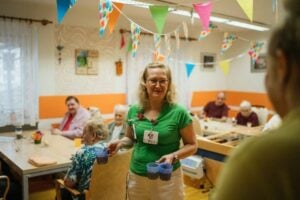
Medical care gets most of the attention when families start planning for a parent’s later years. Appointments, prescriptions, and test results are easy to track, and they feel like the whole picture. Families across Mukwonago often discover, though, that health outcomes are only one part of what decides whether an older adult is genuinely doing well. The quality of a day comes from company, purpose, comfort, good meals, and a sense of control over ordinary choices. Those things rarely appear on a chart, yet they shape how later life actually feels.
Choosing a Living Arrangement That Fits Daily Life
Many older adults reach a point where keeping up a house takes more energy than it gives back, and where a person lives starts to matter as much as the care they receive. Assisted living is still widely misunderstood as the place where independence ends, and that fear keeps families waiting until a fall or a hospital stay forces a rushed decision.
Communities built around daily support offer a middle path, with help available for the tasks that have become hard and the rest of the day left in the resident’s hands. If you’re located in Mukwonago, assisted living facilities can help you find that balance without surrendering the routines, friendships, and small freedoms that make a day feel like your own. That balance is what most families are really searching for once they begin weighing their options.
Company Is as Important as Any Prescription
Isolation does quiet damage. An older adult who goes days without a real conversation tends to eat less carefully, move less often, and lose interest in things that once brought pleasure. Regular company changes that pattern faster than almost anything else. It can be a standing card game, a neighbor who stops by every afternoon, a weekly phone call that never gets missed, or a shared table at breakfast. What matters is that it happens often enough to be expected. People do better when someone notices they were not around yesterday, and that simple sense of being accounted for carries a person through harder weeks.
Having a Reason to Get Up in the Morning
Purpose does not retire. An older adult still wants to be useful, to be good at something, and to have a part of the day that belongs to them. That might mean tending a few plants, mending clothes, teaching a grandchild a recipe, volunteering for a small task that nobody else wants, or keeping up a lifelong hobby at a gentler pace. The activity itself matters less than the ownership of it. When every part of a day is arranged by other people, energy drains quickly. When some of it is chosen, the rest becomes easier to manage.
Movement That Fits the Body You Have Now
Staying mobile protects nearly everything else: balance, sleep, appetite, mood, and the confidence to leave the house. The goal is not fitness in the way a younger person would define it. Short walks, gentle stretching, chair exercises, gardening, or dancing in the kitchen all count, and doing a little most days beats doing a lot once a week. Strength and steadiness fade quickly when they go unused, and they take far longer to rebuild. Consistency, not intensity, is what keeps an older adult walking into a room under their own power.
Meals Worth Sitting Down For
Eating well becomes harder with age, and often for reasons that have nothing to do with appetite. Cooking for one feels pointless. Shopping becomes a chore. Taste changes, and food that once appealed no longer does. Many older adults quietly slide into a diet of whatever is easiest, and the effects show up months later as fatigue, weakness, and low mood. A proper meal eaten with other people solves two problems at once, because it restores both nutrition and the social rhythm that used to come with it. Mealtimes have always been where families catch up, and that does not stop mattering later in life.
Surroundings That Make Independence Possible
A home either supports a person or quietly works against them. Poor lighting, steep stairs, slippery floors, deep tubs, and furniture that is hard to rise from can turn an ordinary day into a series of small risks. Many older adults manage these obstacles by avoidance, using fewer rooms, skipping showers, or staying put rather than risking a trip outside. Good surroundings reverse that shrinking. Grab bars, level entries, bright lighting, comfortable seating, and short distances between rooms give back ground that was lost. Independence often depends less on ability than on whether the space allows it.
Staying Connected to Family and the Wider World
An older adult who still feels part of the family does better than one who feels looked after by it. That means being consulted, being invited, and being kept in the loop on ordinary news rather than only the serious matters. Grandchildren visiting, attending a birthday, going to a service, following a sports team, or keeping up with what is happening around town all keep a person anchored to the present. Families sometimes withdraw from these invitations out of kindness, assuming the effort is too much. More often, the effort is exactly what the person wants, and being asked matters even when the answer is no.
What a Good Later Life Actually Looks Like
A fulfilling later life is not the absence of health problems. Most older adults live with something, and plenty of them live well anyway. What separates thriving from merely coping is whether the ordinary parts of a day still work: someone to talk to, something to do, food worth eating, a body that can get where it needs to go, and a home that cooperates rather than resists. Medical care supports all of this, but it cannot supply any of it. Families who plan for both sides tend to find that their parent is not simply being kept safe, but is still living a life that belongs to them.