
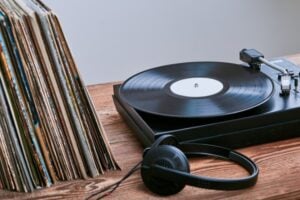
Music has a remarkable ability to connect people with moments from their past. A familiar song can instantly bring back memories of school dances, family celebrations, road trips, friendships, and other experiences from decades ago.
For many older music lovers, vinyl records can make that connection especially meaningful. Records are not simply a way to listen to music; they can also represent particular periods of life, turning an ordinary listening session into a personal journey through the past.
Music and the Power of Memory
Most people have songs that remind them of specific people, places, or experiences. Hearing the opening notes of an old favorite may bring back memories of a first date, a wedding, a summer vacation, or evenings spent listening to music with friends.
These connections can remain powerful even many years later. While photographs and keepsakes provide visual reminders of the past, music can recreate some of the atmosphere and emotion associated with an earlier time.
For older adults, revisiting favorite songs can therefore be much more than entertainment. It can offer an enjoyable way to reflect on personal experiences and remember the people and events that shaped their lives.
Why Vinyl Can Feel Especially Nostalgic
The format in which you play music can also shape the experience. Someone who grew up buying records may remember visiting local record stores, saving money for a new album, or waiting for a favorite artist’s latest release.
Playing a record today can recreate parts of that familiar ritual. Removing the album from its sleeve, placing it on a turntable, and lowering the stylus can feel very different from simply selecting a song on a phone.
Even album artwork can trigger memories. Covers that once sat on bedroom shelves or beside family stereo systems may immediately remind listeners of the homes, fashions, friendships, and cultural moments associated with a particular era.
Rebuilding a Collection from the Past
Many people no longer have the record collections they owned when they were younger. Albums may have been lost during moves, given away when newer formats became popular, or simply worn out after years of regular listening.
Retirement and later life can offer an opportunity to rediscover some of those records. Rather than trying to build an enormous collection, older listeners might begin with a few albums that have strong personal significance.
Specialist retailers such as Evergreen Vinyl can help music fans explore records and other physical formats from different artists and eras. Searching for an album you haven’t heard in decades can become part of the enjoyment, especially when the record connects to an important memory.
Records Encourage More Intentional Listening
Modern streaming services make millions of songs available almost instantly. That convenience has transformed the way people enjoy music, but it has also made it easy to skip between songs, playlists, and artists without spending much time with a complete album.
Vinyl encourages a different pace. Listeners may be more inclined to sit down, play an entire side of a record, and give the music their full attention rather than treating it as background sound.
For older adults who have more time to enjoy hobbies at home, this slower approach can be appealing. Listening to a favorite album with a cup of coffee or during a quiet afternoon can become a simple routine worth looking forward to.
Music Can Encourage Conversation
Old records can also be excellent conversation starters. An album sitting on a shelf might inspire someone to tell a story about seeing the artist perform live, hearing a particular song for the first time, or buying the record with their first paycheck.
These stories can help friends and family learn more about one another. Younger relatives may discover parts of a parent’s or grandparent’s life that they had never heard about simply because a familiar album brought the memory to the surface.
In senior living communities, music can also provide common ground between residents. People who grew up during similar decades may recognize the same performers and songs, creating opportunities to exchange memories and discover shared interests.
Vinyl Can Help Connect Generations
Musical tastes often pass from one generation to another. Parents introduce children to favorite performers, grandparents share classic albums with grandchildren, and younger family members sometimes introduce older relatives to artists they have recently discovered.
Vinyl provides a physical object for these interactions. Looking through album covers together can naturally lead to conversations about changing musical styles, concerts, fashion, technology, and everyday life across decades.
A grandchild might be surprised to discover that a grandparent once attended a famous concert or followed the same artist they now enjoy. These small discoveries can help family members connect through shared interests, despite age differences.
Collecting Can Become an Enjoyable Retirement Hobby
Retirement can create more time for hobbies that were difficult to pursue during busy working years. Collecting records combines music appreciation, nostalgia, organization, and discovery, making it an engaging pastime.
Some collectors enjoy searching for specific albums, while others focus on particular decades, genres, or artists. You don’t need rare or valuable records; a collection can simply consist of music that has personal meaning.
The hobby can also provide a reason to visit record stores, browse markets, attend music-related events, or talk with other collectors. These activities add a social element that can make collecting even more rewarding.
Creating a Comfortable Listening Space
Enjoying vinyl doesn’t require a large, dedicated music room. A comfortable chair, a turntable, a few favorite records, and suitable storage can create an inviting listening area in almost any home.
Keeping frequently played albums within easy reach can make listening more convenient. Good lighting and comfortable seating can also make it easier to look through album artwork and enjoy longer listening sessions.
For people downsizing into smaller homes or senior living communities, a carefully selected collection may be more practical than keeping hundreds of records. Choosing only the albums connected to meaningful memories can make a smaller collection feel highly personal.
Sharing Stories through Favorite Albums
One of the most valuable aspects of revisiting old music is the opportunity to share the stories attached to it. A song may remind someone of where they lived, what they were doing, or who they spent time with when the music was originally popular.
Family members can encourage these conversations by asking about favorite artists or albums. Instead of simply listening to the music, they can ask why a particular record mattered or what memories are associated with a certain song.
These conversations can become meaningful family stories in their own right. Music provides a natural starting point, making it easier to talk about experiences that might otherwise never come up in everyday conversation.
Keeping Musical Memories Alive
Technology has changed dramatically since vinyl records became part of everyday home entertainment, but people’s emotional connection to music remains strong. Songs continue to accompany important moments, relationships, celebrations, and changes throughout life.
For older music lovers, returning to vinyl can provide a tangible connection with those experiences. The sound of a familiar album, the artwork on its cover, and the simple ritual of playing a record can bring distant moments surprisingly close again.
Ultimately, a record collection’s value isn’t determined by its size or financial worth. The most meaningful records are often the ones connected to personal stories, and revisiting them can offer an enjoyable way to celebrate a lifetime of memories through music.