
Skin changes after 50 rarely happen all at once. One year the face still feels balanced, then suddenly there is dryness around the cheeks, texture near the chin, and a different reaction to makeup that used to work perfectly. Many women begin searching for better answers because the products they relied on before stop feeling effective. Skin care for women over 50 is less about chasing impossible perfection and more about keeping comfort, softness, and confidence while the skin continues to change naturally over time.
Why Skin Changes Become More Visible After 50
As the years pass, the skin starts to behave differently in ways that are difficult to ignore. It may become thinner, more reactive, and less able to recover from dryness or irritation. A major reason is that people gradually lose collagen, which affects firmness and elasticity across the face and neck. Fine texture lines that once disappeared after a good night of sleep can become more permanent, especially around the mouth and eyes.
During and after menopause, dropping estrogen levels significantly produce less oil and cellular turnover, making skin more fragile, dry, and prone to hyperpigmentation. Because the skin natural barrier becomes weaker with age, even ordinary products may suddenly sting or create redness. Some women who never dealt with sensitivity before begin noticing rosacea or uneven tone after years of minimal problems.
Environmental factors matter too. Years of sunlight, pollution, stress, and repeated exposure to harsh weather slowly build visible damage that becomes more obvious later in life. These effects often appear as dark spots, uneven pigmentation, dullness, or deeper wrinkles that are difficult to hide completely with foundation alone.
Building a Smarter Daily Routine
Aging skin care does not need to involve complicated ten-step systems with covering the surface. In many cases, simpler habits create the best results because mature skin often reacts poorly to aggressive exfoliation or strong formulas layered together.
A balanced morning routine may include:
- use a mild cleanser that does not leave the face stripped;
- put a lightweight serum on;
- apply moisturizer designed for mature skin;
- use a broad sun protection before going outside.
The nighttime focus shifts to cellular turnover and deep epidermal repair while the body rests rather than heavy cleansing. The face should be washed gently to remove dirt, makeup, and buildup from the day without over-drying the surface. Harsh scrubs sometimes make irritation worse, especially when the skin already feels thinner and more delicate than before.
Hyaluronic Acid and Other Ingredients Worth Paying Attention To
Many anti aging products promise miracles, but only a few ingredients repeatedly show reliable long-term value. Understanding key skin care ingredients helps avoid wasting money on expensive packaging with little practical effect.
One of the most recognized ingredients remains hyaluronic acid because it supports moisturization and helps the skin appear fuller and smoother. It does not erase age completely, but it can soften rough texture and improve comfort throughout the day. Retinoids, including retinol, are effective in boosting collagen, improving skin thickness, and smoothing the outer layer of the skin, making them a key ingredient in anti-aging skin care.
Several ingredients deserve attention for mature skin:
- Peptides and growth factors prompt the skin to create new collagen and elastin for improved firmness.
- Vitamin C is a powerful antioxidant that helps stimulate collagen production, which can reduce fine lines and wrinkles while brightening the skin.
- Antioxidants that help protect against environmental damage.
- Ceramides and essential lipids are vital for repairing a thinning barrier and restoring natural lipids to trap hydration and prevent severe dryness.
- Gentle niacinamide products that help calm redness.
Some women respond better to creams, while others prefer lighter textures depending on their skin type. Dry skin often benefits from richer products, while combination skin may still need lighter formulas around the T-zone. The goal is not to overload the face with ingredients but to choose a few that work together naturally.
The Real Role of Anti-Aging Skin Care Products Against Dark Spots
No cream completely stops aging, and many women become frustrated after unrealistic marketing promises. Still, certain products can improve texture, softness, and brightness enough to make the skin look healthier and more rested. The most effective anti aging approach usually combines several habits instead of relying on one miracle cream. Good water retention, consistent sunscreen use, enough sleep, and balanced nutrition often influence appearance more than luxury jars alone.
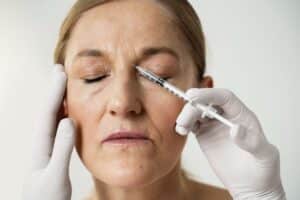
Some people also explore treatments for expression lines, although results and preferences vary widely between individuals. Neuromodulators like Botox or Dysport relax repetitive muscular movements that cause deep dynamic wrinkles, creating a smoother appearance. For clinics and aesthetic practitioners, choosing a reliable provider like Dkdermal Botulax supplier can be an important part of maintaining access to professional treatment products.
Professional treatments are another option for women seeking more noticeable improvements. Fractional laser resurfacing triggers the body healing response to generate new collagen, tightening the skin. Additionally, microneedling stimulates collagen production via tiny needles, and combining it with Platelet-Rich Plasma (PRP) accelerates healing and boosts the firming effect.
Products designed for mature skin may help with:
- dryness around the cheeks and jawline;
- uneven tone caused by age spots;
- rough texture near the nose or forehead;
- loss of firmness around the lips and neck.
The condition of the body also reflects lifestyle over time. Smoking, dehydration, and poor diet can all lead to faster visible aging. Skin health is closely connected to overall health, which is why long-term habits matter more than quick fixes.
Why Sun Protection Matters More as a Skin Barrier
Sunscreen importance becomes even greater after 50 because mature skin repairs itself more slowly after damage. Years of sun exposure continue affecting the face long after the original damage occurred. Many visible signs of aging are linked more to ultraviolet damage than to age alone.
Daily apply sunscreen habits are often more useful than expensive treatments. Dermatologists usually recommend formulas with at least SPF 30, especially for people who spend time outdoors regularly. UVA rays are associated with skin aging, while UVB rays are linked to sunburn; both types of rays can cause long-term skin damage, making daily sun protection essential.
Modern sunscreen formulas are easier to wear than older versions that felt heavy or greasy. Some include PA-C ratings for broader UVA coverage, which can be useful for long-term defense against discoloration and texture changes. Even on cloudy days or when indoors, UVA rays can penetrate windows and still affect the skin, highlighting the need for daily sunscreen application regardless of weather conditions. Additionally, women who begin prioritizing sunscreen later in life still often notice improvements in tone consistency and fewer new spots appearing over time.
A few practical tips make sunscreen easier to maintain daily:
- keep one bottle near the front door;
- reapply after long outdoor exposure;
- use products that layer comfortably under makeup;
- extend coverage to the neck and hands.
Caring with Eye Creams
The eye area usually shows aging earlier because the skin there is naturally delicate. Puffiness, dryness, and small lines become more visible when the area lacks water or when fatigue builds over time. Many women use eye creams mainly for comfort rather than dramatic transformation, which is often a more realistic expectation.
The area around the lips also changes noticeably with age. Lines can deepen gradually, especially after years of sun exposure or smoking. Some women notice lipstick settling unevenly into fine texture that was never visible before. Rich balms and targeted moisturization ion can help improve softness without making the area feel heavy.
Lifestyle Habits That Affect Mature Skin
Good products help, but daily habits influence the face more than many people expect. Lack of rest, dehydration, poor diet, and emotional pressure often become visible directly through the skin. Chronic mental pressure can contribute to dullness, breakouts, or increased sensitivity even later in life.
Several habits consistently support healthier-looking skin:
- drinking enough water to keep moisture;
- using lotions regularly on the hands and body;
- eating foods rich in vitamin content and healthy fats;
- reducing smoking and excessive alcohol intake;
- maintaining steady sleep patterns.
Movement and circulation also matter. Gentle exercise improves blood flow and may help the skin maintain a healthier appearance over time. Aging cannot be stopped completely, but supportive habits can slow the development of severe dryness or irritation.
Choosing Products Without Overcomplicating Everything
The beauty industry constantly introduces new anti aging skin care products with bold claims and trendy ingredients. Some work well, others mostly rely on marketing language. A dermatologist can help simplify choices when persistent irritation, acne, or sensitivity becomes difficult to manage alone.
Instead of buying dozens of products, it often helps to focus on a few essentials that support water retention and comfort consistently. A gentle cleanser, reliable sunscreen, nourishing cream, and one treatment product may be enough for many women. Trying too many active ingredients at once can lead to irritation that becomes difficult to reverse quickly.
Old skin still responds to care, although results appear more slowly than many advertisements suggest. Improvement tends to happen gradually through consistent routines rather than overnight changes. Healthy skin after 50 often looks calm, balanced, and comfortable instead of artificially frozen or overly shiny.
Feeling Comfortable in Your Skin After 50
The conversation around skin care after 50 sometimes becomes too focused on hiding age instead of supporting healthy skin realistically. Mature skin has different needs, but it does not become unattractive simply because it changes.
A thoughtful routine, steady water retention, proper protection, and realistic expectations often create far more satisfying results than chasing trends endlessly. The goal is not perfection or looking twenty again. It is feeling comfortable in your own skin while continuing to care for it in a way that feels sustainable, calm, and natural.