
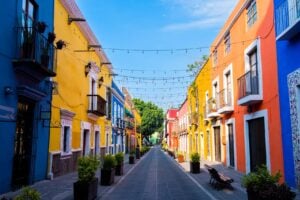
Mexico City has a way of making every plan feel too small. There’s always another museum, another market, another neighborhood that looks worth a visit. It’s easy to start adding stops until a pleasant day turns into a race across town.
That’s rarely the best way to see the city.
A looser schedule gives you time to look around, enjoy a meal, and stay a little longer when a place catches your attention. For older travelers, it can also mean less time sitting in traffic, fewer tiring transfers, and more energy for the parts of the trip that matter most.
1. Choose One Main Plan for the Day
It helps to begin each day with one clear priority.
That might be the National Museum of Anthropology, a morning spent seeing murals in the historic center, or a relaxed visit to Coyoacán. Once that main plan is in place, everything else can stay flexible.
Locally led experiences from Fernwayer can help travelers decide which part of the city deserves more time. That can be especially useful in a place where even a short list of appealing options can quickly become overwhelming.
Keeping the rest of the day open also makes delays easier to handle. Traffic may be heavier than expected, lunch might run long, or a museum may deserve another hour. None of that feels like a problem when the schedule has room to breathe.
2. Spend More Time in One Neighborhood
Mexico City is much larger than it first appears. Two attractions may look close on a map, yet traveling between them can take a surprising amount of time.
Staying in one area for most of the day is often more enjoyable.
The historic center brings together grand buildings, public art, churches, plazas, and traditional cafés. Coyoacán has a gentler feel, with leafy streets, small restaurants, museums, and lively public squares. Roma and Condesa work well for travelers who enjoy parks, galleries, coffee shops, and casual walks.
There’s another benefit to slowing down in one neighborhood. You start to notice the rhythm of the place. The street sounds become familiar. You spot small shops, courtyards, and cafés that would be easy to miss while hurrying to the next major sight.
3. Let a Local Guide Add the Missing Pieces
Some parts of Mexico City make a much stronger impression once you understand the story behind them.
A mural may be beautiful on its own, but its symbols and political meaning can be difficult to grasp without context. The same is true of an old building, a market tradition, or a dish connected to a particular region.
Some of Fernwayer’s local experiences focus on Mexico City’s art, food, history, and neighborhood life. A knowledgeable guide can bring those subjects to life without making the outing feel formal or packed with information.
There’s also less pressure on the traveler. With a guided outing, the route and timing are usually planned in advance, so travelers can spend less time working out where to go next. That leaves more attention for the place itself.
4. Pair Art With Food and Drink
Mexico City’s murals are among its most powerful cultural experiences. They tell stories about revolution, identity, work, family, and public life, often on a scale that’s hard to appreciate until you’re standing in front of them.
After a morning of walking and looking, a long lunch or tasting can be a welcome change of pace.
Food offers its own way into the city’s history. Markets, regional dishes, family recipes, and agave spirits all carry stories about where people come from and how traditions have changed over time.
Fernwayer connects those interests through experiences involving Mexico City murals and mezcal. The combination works because the two parts of the day feel different without feeling disconnected. One invites close attention and movement. The other gives travelers a chance to sit, talk, and take in what they’ve seen.
5. Treat Breaks as Part of the Day
A break doesn’t have to feel like lost time.
A shaded plaza, a quiet café, or a museum courtyard can become part of the experience. Even a short return to the hotel may make the evening far more enjoyable.
It’s often better to plan these pauses before anyone feels tired. Waiting until energy is gone can make the rest of the day harder than it needs to be.
Open time also gives travelers more freedom. Lunch may last longer. The weather may change. A museum room may be more interesting than expected. A flexible schedule makes it easy to stay where you are instead of checking the time every few minutes.
That sense of freedom can make the whole trip feel calmer.
6. Handle the Practical Details Before You Go
The most relaxed trips often begin with a little preparation at home.
Thoughtful international travel preparation for seniors can make it easier to organize medications, insurance information, emergency contacts, and transportation. Essential prescriptions, identification, water, and any comfort items should stay close during the day.
Shoes matter more than many travelers expect. Mexico City has long museum corridors, uneven sidewalks, and historic streets that may take more effort to walk than they seem to on a map.
It also makes sense to review travel health considerations for older adults before leaving. Questions about vaccines, prescriptions, altitude, or existing health conditions are much easier to sort out before the trip begins.
Plans may still need to change once you arrive. Weather, traffic, and energy levels can all shape the day. That’s normal. A slower afternoon doesn’t mean anything went wrong.
Let the City Set the Pace
A memorable trip to Mexico City doesn’t depend on how many places you manage to fit into each day.
Sometimes one museum, one neighborhood, or one long meal is enough. The goal is to enjoy the city, not to complete a checklist.
Many travelers remember the smaller moments most clearly: a mural seen up close, music drifting through a plaza, a conversation with a guide, or coffee in a place they hadn’t planned to visit. Leaving room in the day makes those moments easier to find.