
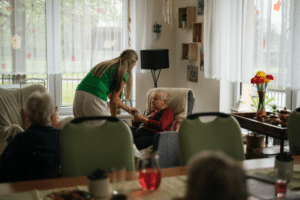
Many families eventually face a difficult question: how can they help an aging loved one stay healthy, safe, and happy as daily needs change? People are living longer than ever, according to the World Health Organization, making healthy aging an important topic for individuals and families around the world. While many older adults remain independent for years, there often comes a time when extra support improves both their quality of life and peace of mind. Quality senior living and care offer much more than assistance with daily routines. The right environment encourages physical health, social connection, emotional well-being, and continued independence.
Understanding what makes senior care truly supportive helps families make thoughtful decisions that benefit their loved ones for years to come.
Looking Beyond the Basics of Healthy Aging
Healthy aging means maintaining the best possible quality of life while adapting to the natural changes that come with growing older. Good health remains important, but emotional well-being, meaningful relationships, mental stimulation, and personal independence deserve equal attention. Many older adults continue enjoying active lives when they have access to supportive services, regular healthcare, balanced nutrition, and opportunities to stay connected with others. Taking time to understand personal needs creates a stronger foundation for long-term health and overall happiness.
The Value of Skilled and Caring Staff
The people providing daily care have a direct impact on a resident’s health, comfort, and overall experience. Families should pay close attention to staff qualifications, communication skills, and how caregivers interact with residents during a visit. Respectful conversations, patience, and genuine kindness often say as much as professional credentials. Communities also benefit from employing healthcare professionals, such as nurses, who continue learning throughout their careers. Many nurses begin their careers through accredited nursing programs, which provide a strong foundation in patient care, clinical skills, and ethical practice. William Paterson University, located in Wayne, New Jersey, offers flexible online nursing and healthcare programs designed to help students build leadership skills while preparing for the changing needs of today’s healthcare system. Its focus on accessible, career-centered education supports professionals who want to deliver compassionate, high-quality care across a range of settings. Well-prepared staff can recognize concerns early, respond appropriately, and help residents feel safe, respected, and supported every day.
Why Personalized Care Creates Better Outcomes
Older adults rarely share the same medical history, daily routine, or personal preferences. Personalized care recognizes these differences and builds support around each resident’s individual needs. Care plans often consider medical conditions, mobility, dietary requirements, favorite activities, cultural traditions, and communication preferences. This approach helps seniors feel respected while allowing caregivers to provide more meaningful support. Regular reviews ensure that care continues to match changing health conditions or personal goals. Personalized care also encourages stronger relationships between residents and caregivers because staff members learn what makes each individual comfortable and confident. When people receive care that reflects their unique circumstances, they often experience greater satisfaction, improved emotional well-being, and a stronger sense of independence.
Staying Connected Supports Overall Well-Being
Strong social connections play an important role in healthy aging. Spending time with others helps older adults maintain emotional well-being while reducing feelings of loneliness and isolation. Quality senior living communities create regular opportunities for residents to participate in group activities, educational programs, fitness classes, hobby clubs, and community events. These activities encourage friendships and give residents something enjoyable to look forward to each day. Staying socially active also supports mental engagement through conversations, games, creative projects, and lifelong learning opportunities. Families remain an important part of this process as well. Regular visits, phone calls, and participation in special events help older adults maintain meaningful relationships while strengthening their sense of belonging and emotional security.
Everyday Habits That Support Better Health
Daily routines have a lasting effect on overall health as people age. Nutritious meals provide the energy and nutrients older adults need to stay active, maintain muscle strength, and support their immune system. Regular physical activity, even gentle walking or stretching, helps improve balance, flexibility, and mobility. Good sleep habits, proper hydration, and preventive healthcare visits also contribute to long-term wellness. Many senior living communities make these healthy choices easier by offering balanced dining options, exercise programs, wellness screenings, and medication support. Staff members also encourage residents to stay engaged in activities that match their interests and abilities. Small, consistent habits often make a meaningful difference in helping older adults remain healthier, more independent, and confident in their daily lives.
Keeping Families Part of the Care Journey
Moving into a senior living community should never mean losing close family relationships. Regular communication between families and caregivers helps everyone stay informed about changes in health, daily routines, and personal preferences. Many communities schedule care meetings where family members can ask questions, discuss concerns, and participate in important decisions. Visits, phone calls, and video chats also strengthen emotional connections and help residents feel supported. Families can contribute by sharing personal history, hobbies, and routines that help caregivers provide more individualized care. When everyone works together, residents receive consistent support that reflects both their healthcare needs and the life they have built over many years.
Supporting healthy aging begins with understanding that every older adult deserves care that respects their health, preferences, and independence. Quality senior living communities provide more than assistance with daily tasks. They create opportunities for social connection, healthy routines, personalized support, and greater peace of mind for both residents and their families. Choosing the right community requires thoughtful research, open conversations, and a clear understanding of current and future care needs. Taking time to evaluate available options helps families make informed decisions instead of reacting during difficult moments. With the right support in place, older adults can continue living fulfilling lives while receiving the care and attention they need as their needs change over time.