
Much of life’s waiting has been replaced by instant access. A person can check an appointment time, pay a bill, order groceries, ask for directions, talk with a doctor, or message a loved one without leaving the couch.
This has also changed what people expect from homes, care providers, families, communities, and even themselves. In many homes, tech has become part of the basic rhythm of living.
For older adults and families thinking about safer routines, the new standard of living is all about having practical tools that make daily life feel more manageable and less dependent on guesswork.
Everyday Convenience Has Become a Basic Expectation
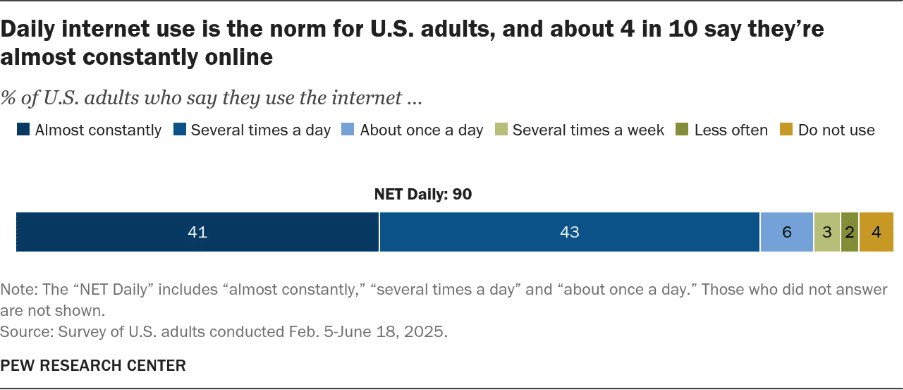
Banking, shopping, prescription refills, restaurant orders, ride scheduling, and health reminders all sit on a phone or computer. Recent survey data shows that 90% of U.S. adults use the internet daily, while 41% say they are online almost constantly.
For younger people, that may feel ordinary, but for older adults, it can be both helpful and frustrating, depending on how simple the tools are. The trouble often is that businesses, service providers, healthcare offices, and families increasingly assume people can get information quickly.
Safety Now Includes Connection
Not long ago, home safety mostly meant railings, clear walkways, good lighting, and locks that worked. Those things still matter, but technology has added another layer.
A phone within reach can be a safety tool. So can a video doorbell, medication reminder, smart speaker, fall detection device, or automatic light.
This is especially important for older adults who live alone or want to maintain independent living with some added reassurance. A motion light in the hallway may reduce nighttime stumbles, while a wearable alert device may help in a moment when getting across the room is not possible.
The best technology simply removes a little uncertainty from ordinary routines.
Communication Has Become Part of Care
The steady flow of communication that we’re used to today can bring comfort, but connection should not become another chore.
A device that is too complicated may sit unused, and a plan with too many features may confuse someone who only needs calling and texting. Simple mobile options like Lively phone plans can help older adults stay reachable without turning everyday communication into a technical project.
Healthcare Expectations Have Changed
People now expect test results, appointment reminders, prescription information, and provider messages to be available online, while telehealth has become a familiar option for many households.
Among adults age 50 and older, 73% have used telehealth at least once in the past 12 months, and 90% of those users said they were very or somewhat satisfied with the experience. That goes to show that many older adults are already comfortable using technology when it saves a trip or helps manage a routine concern.
That said, the experience is much more accessible when it involves large buttons, clear instructions, phone support, and familiar providers. Care should not feel like homework.
Homes Are Becoming More Responsive
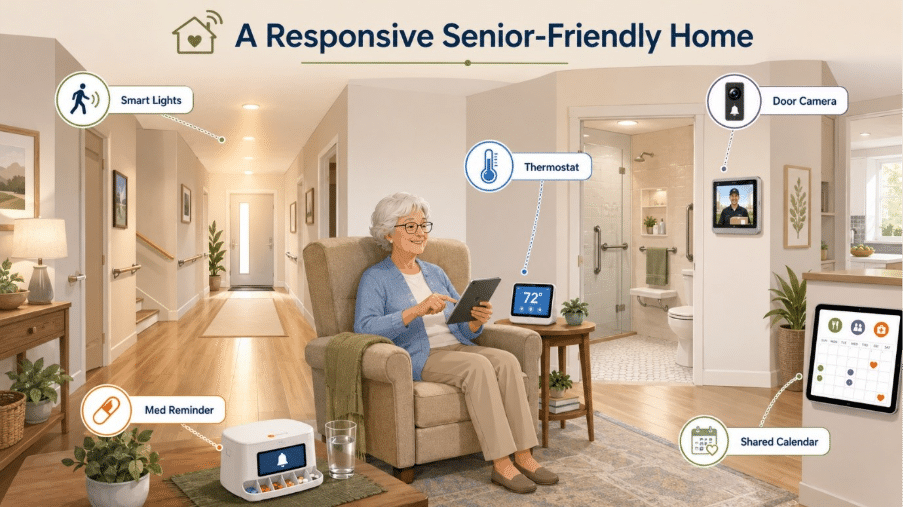
A senior-friendly home used to be planned mainly around wider paths, safer bathrooms, sturdy seating, better lighting, and fewer tripping hazards. Now, a home can adjust in other small ways:
- Lights can turn on before someone reaches a dark hallway.
- Thermostats can be changed without getting up.
- Door cameras can show who is outside.
- Medication devices can remind someone when a dose is due.
- Shared calendars can help track meals and appointments.
With the right tools, someone can keep living in a home they love while reducing the small daily risks that build up over time.
The caution, however, is that more technology is not always better. A house full of devices can become annoying if they require too many passwords, updates, apps, or voice commands. A few well-chosen tools usually do more good than a pile of connected products no one wants to manage.
Independence Looks Different Now
Independence once meant doing everything alone. Today, it often means having the right support in the background. That support may be a grab bar, a nearby neighbor, a weekly caregiver visit, a grocery delivery app, a medication reminder, or a phone that makes it easy to call for help.
This broader view is healthier. It allows older adults to accept tools without feeling that they are giving something up. Technology can be part of staying capable, not a sign that capability is fading.
The most helpful tools are usually the ones that protect ordinary pleasures, like making coffee safely, talking to family, walking through the house at night, keeping appointments, managing money, enjoying hobbies, and feeling confident when alone.
That is the real influence of technology on everyday expectations. People are not only expecting faster service or smarter devices. They are expecting daily life to meet them where they are.