
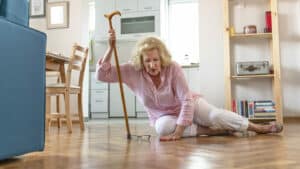
Slip and fall accidents are one of the leading causes of injury among older adults. While anyone can experience a fall, seniors face a higher level of risk due to a combination of physical, environmental, and medical factors. These incidents can lead to serious complications, including fractures, reduced mobility, and long-term health decline.
Understanding why seniors are more vulnerable to falls can help families, caregivers, and communities take proactive steps to reduce risk and promote safer living environments.
Age-Related Physical Changes
As the body ages, natural physical changes can affect balance, strength, and coordination. These changes often occur gradually, making them easy to overlook until an accident happens.
Reduced Muscle Strength
Muscle mass tends to decline with age, particularly in the legs and core. This loss of strength can make it more difficult to maintain stability when walking or standing. Even small obstacles, such as uneven flooring or loose rugs, can become hazards.
Decreased Balance and Coordination
The body’s ability to maintain balance depends on a complex interaction between muscles, joints, and the nervous system. Aging can slow these responses, increasing the likelihood of missteps or loss of balance.
Joint Stiffness and Limited Mobility
Arthritis and other joint conditions can reduce flexibility and range of motion. When movement becomes restricted, it may be harder to recover from a stumble or navigate tight spaces safely.
Vision and Sensory Impairments
Vision plays a critical role in preventing falls. Seniors often experience changes in eyesight that affect depth perception, contrast sensitivity, and peripheral vision.
Common vision-related issues include:
- Difficulty seeing in low light
- Trouble distinguishing edges or changes in flooring
- Reduced ability to detect obstacles
In addition to vision changes, other sensory impairments can contribute to fall risk. Hearing loss, for example, may reduce awareness of environmental cues, while diminished sensation in the feet can affect balance.
Medication Side Effects
Many seniors take multiple medications to manage chronic conditions. Certain medications, or combinations of medications, can increase the risk of falls.
Side effects that may contribute to instability include:
- Drowsiness
- Dizziness
- Low blood pressure
- Slowed reaction time
Regular medication reviews with healthcare providers can help identify potential risks and adjust treatment plans when necessary.
Chronic Health Conditions
Underlying health issues often play a significant role in fall risk. Conditions such as diabetes, heart disease, and neurological disorders can affect strength, coordination, and alertness.
For example, diabetes may cause nerve damage in the feet, reducing sensation and making it harder to detect uneven surfaces. Cardiovascular conditions can lead to fainting or lightheadedness, increasing the chance of a sudden fall.
Managing these conditions effectively is an important part of fall prevention.
Environmental Hazards
The environment in which a senior lives has a direct impact on fall risk. Many accidents occur in familiar settings, such as the home or a care facility, where hazards may go unnoticed.
Common environmental risks include:
- Slippery floors or wet surfaces
- Poor lighting in hallways or staircases
- Cluttered walkways
- Loose rugs or uneven flooring
- Lack of handrails or grab bars
Simple modifications, such as improving lighting and removing tripping hazards, can significantly reduce the likelihood of falls.
Footwear and Mobility Aids
Improper footwear can contribute to instability. Shoes that lack support or have slippery soles may increase the risk of slipping. In addition, seniors who require mobility aids may face challenges if those devices are not properly fitted or maintained.
Canes, walkers, and other assistive devices should be adjusted to the user’s height and used consistently to provide adequate support.
Cognitive Decline and Fall Risk
Cognitive conditions such as dementia or Alzheimer’s disease can increase the likelihood of falls. Individuals with cognitive impairment may have difficulty recognizing hazards, following safety instructions, or remembering to use assistive devices.
They may also experience confusion or disorientation, which can lead to unsafe movement.
Caregivers should remain attentive to changes in behavior and ensure that the environment is structured to support safety.
The Impact of Previous Falls
A history of falls significantly increases the risk of future incidents. After experiencing a fall, seniors may develop a fear of falling again. This fear can lead to reduced activity, which in turn weakens muscles and further increases fall risk.
Breaking this cycle requires a balance between caution and maintaining physical activity.
Emotional and Psychological Factors
Emotional well-being can influence physical stability. Anxiety, depression, or social isolation may reduce a senior’s motivation to stay active or maintain healthy routines.
In some cases, individuals may rush movements or avoid seeking assistance, increasing the likelihood of accidents.
Encouraging social engagement and regular physical activity can help support both mental and physical health.
Consequences of Slip and Fall Accidents
Falls can have serious consequences for seniors. Injuries such as hip fractures or head trauma may require surgery, extended rehabilitation, or long-term care.
Even when physical injuries are minor, the impact on confidence and independence can be significant. Many seniors experience reduced mobility after a fall, which can affect overall quality of life.
Legal Considerations and Responsibility
In some cases, slip and fall accidents occur due to unsafe conditions on someone else’s property. Property owners and facility operators have a responsibility to maintain safe environments.
When negligence contributes to an accident, individuals may seek guidance from a slip and fall lawyer in Cincinnati to understand their rights. Legal professionals can help determine whether proper safety measures were in place.
Similarly, consulting reliable slip and fall lawyers may provide clarity in cases involving nursing homes or assisted living facilities where hazards were not addressed.
Preventive Measures for Safer Living
Reducing fall risk involves a combination of personal awareness and environmental improvements. While no single solution eliminates risk entirely, consistent attention to safety can make a meaningful difference.
Key preventive strategies include:
- Maintaining regular physical activity to improve strength and balance
- Scheduling routine vision and hearing checks
- Reviewing medications with healthcare providers
- Improving home safety through lighting and hazard removal
- Using properly fitted footwear and assistive devices
Families and caregivers play an important role in identifying risks and supporting these measures.
Supporting Independence While Reducing Risk
Maintaining independence is important for seniors, but safety must remain a priority. Encouraging safe movement, providing necessary support, and creating a secure environment allows older adults to remain active without unnecessary risk.
By understanding the factors that contribute to slip and fall accidents, it becomes possible to take proactive steps that protect health, preserve mobility, and support long-term well-being.