
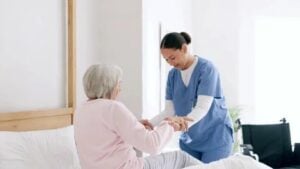
As the senior population continues to grow, nursing homes and long-term care facilities play an increasingly important role in providing daily support, medical supervision, and quality of life for aging individuals. Families trust these facilities to deliver safe, competent, and compassionate care. However, when caregivers lack proper training, that trust can be compromised, sometimes with serious consequences.
Untrained or undertrained nursing home caregivers can create risks that affect physical health, emotional well-being, and overall safety. Understanding these risks helps families make informed decisions and recognize early warning signs of inadequate care.
The Importance of Proper Training in Senior Care
Caring for elderly residents requires specialized knowledge and skills. Seniors often have complex medical conditions, reduced mobility, cognitive impairments, and increased vulnerability to injury. Proper training ensures caregivers understand how to respond to these needs safely and effectively.
Training typically includes:
- Safe patient handling and mobility assistance
- Medication administration protocols
- Infection control procedures
- Recognition of medical emergencies
- Communication strategies for dementia or cognitive decline
Without this foundation, caregivers may unintentionally place residents at risk.
Increased Risk of Physical Injury
One of the most immediate dangers of untrained caregivers is the increased likelihood of physical injury. Seniors often require assistance with transfers, walking, and repositioning. Improper techniques can lead to falls, fractures, or soft tissue injuries.
For example, lifting a resident incorrectly may strain joints or cause a fall. Failing to reposition a bedridden resident regularly can result in pressure ulcers, also known as bedsores.
These injuries are not always accidental. They may stem from a lack of understanding of proper procedures. Facilities that fail to adequately train staff may expose residents to preventable harm.
Medication Errors and Health Complications
Medication management is a critical responsibility in nursing homes. Many residents rely on multiple prescriptions, each with specific dosages and schedules. Untrained caregivers may misunderstand instructions, administer incorrect doses, or fail to recognize adverse reactions.
Medication errors can lead to serious complications, including:
- Worsening of chronic conditions
- Dangerous drug interactions
- Overmedication or sedation
- Missed doses of essential treatments
Proper training helps caregivers identify symptoms of complications and respond appropriately. Without it, small mistakes can escalate into significant health concerns.
Failure to Recognize Medical Emergencies
Seniors may not always communicate symptoms clearly. Caregivers must be trained to recognize subtle signs of distress, such as changes in behavior, appetite, or mobility.
Untrained staff may overlook early warning signs of conditions like:
- Stroke
- Heart attack
- Infection
- Dehydration
Delayed response to these emergencies can lead to more severe outcomes. Timely intervention often depends on a caregiver’s ability to recognize and act on these signs.
Emotional and Psychological Harm
Beyond physical care, seniors require emotional support and respectful interaction. Untrained caregivers may lack the communication skills necessary to work with residents experiencing dementia, anxiety, or depression.
This can lead to:
- Frustration or impatience toward residents
- Verbal mistreatment
- Social isolation
- Increased anxiety among residents
Even when unintentional, poor communication can affect a resident’s sense of dignity and well-being.
Neglect Due to Inadequate Staffing and Training
In some cases, untrained caregivers are also overworked or placed in roles beyond their capabilities. When staff members are unsure how to perform tasks efficiently, routine care may be delayed or skipped.
Neglect may appear as:
- Missed hygiene routines
- Delayed assistance with meals
- Infrequent repositioning
- Lack of supervision
Neglect does not always involve intentional harm. However, it can still have serious consequences for residents’ health and safety.
Increased Risk of Abuse
A lack of training can contribute to environments where abuse becomes more likely. Caregivers who are not properly prepared to manage stress or challenging behaviors may respond inappropriately.
Abuse may take several forms:
- Physical abuse during handling or restraint
- Verbal abuse due to frustration
- Financial exploitation
- Emotional neglect
Families who suspect mistreatment often seek guidance from a Chicago nursing home abuse lawyer to understand their options and protect their loved ones.
Impact on Residents With Cognitive Impairment
Residents with Alzheimer’s disease or other forms of dementia require specialized care approaches. Untrained caregivers may not understand how to manage wandering, agitation, or memory loss.
This can result in:
- Increased risk of elopement or unsafe wandering
- Escalation of behavioral symptoms
- Improper use of restraints
- Emotional distress
Training in dementia care techniques is essential for maintaining safety and quality of life.
Legal and Regulatory Implications
Nursing homes are subject to state and federal regulations designed to protect residents. Facilities that fail to properly train staff may face legal consequences if harm occurs.
When negligence leads to injury, families may consult experienced nursing home abuse lawyers to evaluate potential claims. Legal action can hold facilities accountable and encourage improved standards of care.
Documentation of incidents, medical records, and witness accounts often play a role in these cases.
Warning Signs Families Should Watch For
Families play a critical role in monitoring care quality. Certain warning signs may indicate inadequate training or supervision.
These may include:
- Unexplained bruises or injuries
- Sudden changes in behavior or mood
- Poor hygiene or unclean living conditions
- Weight loss or dehydration
- Delayed responses to requests for assistance
Regular visits and open communication with staff can help identify concerns early.
The Role of Proper Staffing and Oversight
Training alone is not enough. Facilities must also ensure adequate staffing levels and supervision. Even well-trained caregivers may struggle if they are responsible for too many residents at once.
Effective oversight includes:
- Ongoing staff education
- Performance evaluations
- Clear protocols for reporting concerns
- Accountability for policy violations
Facilities that prioritize both training and supervision are better equipped to provide consistent, safe care.
Supporting Better Outcomes for Seniors
Ensuring that caregivers are properly trained is essential for protecting vulnerable residents. Families researching nursing homes should ask about staff training programs, certifications, and staff-to-resident ratios.
Questions to consider include:
- What initial and ongoing training do caregivers receive?
- How does the facility handle medical emergencies?
- What protocols are in place for medication management?
- How are complaints or concerns addressed?
These conversations can provide valuable insight into the quality of care.
Promoting Safety, Dignity, and Accountability
Untrained nursing home caregivers pose real risks, but those risks are preventable. With proper education, supervision, and accountability, facilities can provide safe and respectful care for seniors.
Families, healthcare providers, and legal professionals all play a role in promoting higher standards. By staying informed and proactive, it is possible to reduce the likelihood of harm and ensure that seniors receive the care they deserve.