
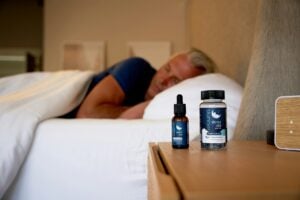
When life steps into the golden years, much changes. Sleep isn’t an exception. Nights that once arrived with a sense of ease will now feel a little different; they might appear stretched beyond logic, uneven and puzzling. Many older adults have noticed that, at a certain point, sleep starts to feel different for seniors. Bedtime may come earlier, waking may arrive before dawn, and deep sleep may slip through the fingers more often than it did before. These changes are meaningful; they reflect how the body adapts over time. Understanding them can ease concern and help restore comfort, even when sleep has started to refuse following its old rules and routines.
The Body Clock Learns New Tricks
The internal clock never stops; it adjusts. With age, sleepiness will come earlier in the evening, and waking happens sooner in the morning. The body is producing less melatonin, the hormone that signals rest, and it’s releasing it at a different pace.
Sleep will become much lighter. Deep sleep stages are shortened; the brain spends more time in lighter phases. Small noises can wake the sleeper more easily: a ticking clock, a lone passing car, even silence that somehow feels too loud.
Many seniors will respond to these issues by using sleep aids. This approach carries concern, especially when dosage or timing has become somewhat unclear. The risk of sleeping pill overdose increases when multiple medications mix, or when memory slips affect proper use. This risk often hides in plain sight, as routines blur and nights feel longer than expected.
Nighttime Awakenings and Their Causes
Waking during the night becomes common. The reasons vary. The bladder calls more often. Pain from joints or muscles interrupts rest. Even mild discomfort is able to pull the mind out of sleep and keep it in alert mode.
The brain itself changes how it manages sleep cycles. It moves more quickly between stages, which leads to frequent awakenings. Each waking moment may feel small, but together they break the flow of rest.
Environmental factors also matter. A room that once felt comfortable may now feel too warm or too cold. Light from a hallway or a device can disturb sleep more than before. Sensitivity greatly increases.
Some people will begin to nap during the day just to recover lost rest. While these naps do help in the moment, they can reduce sleep pressure at night. The result is a loop: less sleep at night leads to more rest during the day, which then weakens the next night’s sleep.
Insomnia Steps Into the Picture
The National Institute on Aging points out a clear pattern. Insomnia stands as the most common sleep concern for adults over sixty. People with insomnia struggle to fall asleep. Either that or they wake often and can’t return to rest. This pattern should repeat at least three nights each week to be called insomnia. Short-term insomnia will often follow stress or a big change in routine (such as travel or illness). Chronic insomnia lasts longer than three months, and it doesn’t link neatly to a single medical cause.
This condition affects mood, memory, and focus. Days feel slower, heavier. The mind, tired yet alert, will refuse to settle even when the body’s asking for rest. Sleep, once simple, has become a task that requires some effort.
Health Conditions (That) Shape the Night
Aging brings changes in health, and some of these changes will, of course, affect sleep. Conditions such as arthritis, heart disease, and respiratory issues can interfere with comfort and breathing, as each of them adds its own layer of disturbance.
Medications also play a role. Some drugs cause drowsiness during the day, while others will stimulate the system at night. The timing of medication becomes important, yet it often goes unnoticed.
Mental health matters as well, as anxiety and depression can alter sleep patterns. The mind may replay thoughts, ruminate and circle around concerns, or remain alert long after the lights go out. Even mild worry can stretch the time it takes to fall asleep.
Sleep disorders become more common with age. Sleep apnea, for example, interrupts breathing and leads to repeated awakenings. Restless legs syndrome creates an urge to move, which disrupts stillness and delays sleep.
Medication used by seniors will also affect sleeping patterns.
Habits That Shape Sleep
It’s true that daily habits hold a strong influence over sleep quality. Activity levels will often decrease with age, which reduces physical tiredness at night. The body needs movement to build sleep pressure; without it, rest will seem distant.
Exposure to daylight matters. Natural light helps regulate the internal clock. Less time outdoors can weaken this signal, making sleep timing less stable. The body then struggles to decide when to feel alert and when to feel tired.
Food and drink also affect sleep. Caffeine stays in the system longer in older adults. Even something so naïve as a cup of coffee in the afternoon might delay sleep at night. Alcohol may seem to help at first, yet it fragments sleep later.
Routine offers stability. A consistent bedtime and wake time support the body’s rhythm. When this routine shifts often, the body loses its sense of timing. Sleep becomes irregular, sometimes unpredictable.
Many begin to notice that sleep starts to feel different for seniors in a way that’s both physical and emotional. It’s not just about rest; it’s about how the body and mind work together, or sometimes fail to.
Conclusion: Adjusting Without Losing Rest
Sleep in later years transforms. However, rest remains possible, even meaningful, when the causes behind these certain changes become clear.
Simple steps can support better sleep: a normal daily routine, regular movement, and attention to light exposure can help guide the body back to a rhythm that feels natural. Careful use of medication will reduce risks, while awareness of health conditions will allow for better management.
When sleep starts to feel different for seniors, it does so in ways that raise questions or concern. Those questions deserve attention, not worry. With understanding and small adjustments, sleep can still offer peace, even as it changes its shape over time.